
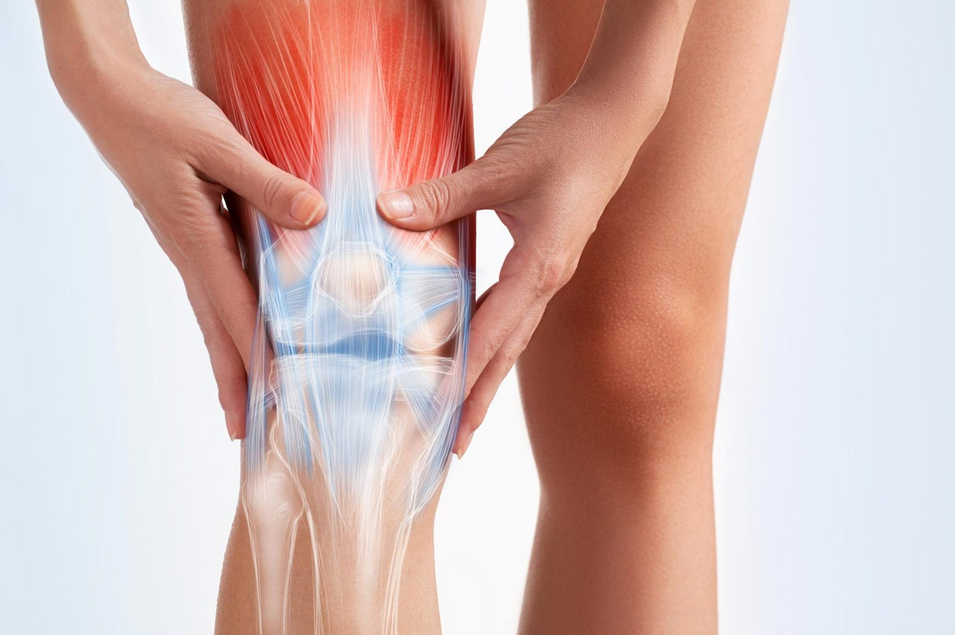
“Running will ruin your knees.”
Most runners over 40 have heard this line more times than they can count. It’s a persistent belief that keeps many people from ever lacing up a pair of running shoes. But here’s the surprising truth backed by multiple research studies: recreational running is actually linked to a lower risk of knee osteoarthritis than not running at all.
So why does this myth stay alive? Because knee pain is common, but the cause is often misunderstood. Today, we’re mythbusting one of the most widespread misconceptions in fitness and breaking down what actually affects knee health.
One of the biggest problems with the “running ruins knees” myth is that it treats running like an inherently damaging activity. But large-scale studies tracking thousands of runners have consistently found:
Why? Because motion strengthens the very tissues people worry about. Moderate impact can actually stimulate cartilage repair and encourage joint stability — especially when combined with strength training and good running mechanics.
This doesn’t mean running is perfect for everyone or that injuries never happen. But it does mean running itself isn’t the villain.
If running isn’t inherently harmful, why do so many people feel knee pain when they start running — especially after 40?
Because knee pain usually stems from preparation issues, not running itself. Let’s break down the real culprits.
Your glutes and quadriceps act as shock absorbers. If they’re weak, your knees take the brunt of each step.
This is true not only in running but also in sports like soccer, basketball, and tennis, where athletes rely heavily on powerful hip and thigh muscles.
Landing with your foot too far ahead of your body increases braking forces at the knee.
Think of it as slamming the brakes with every step. Shorter strides — like you see in elite distance runners — reduce that impact dramatically.
Running shoes aren’t one-size-fits-all. If your shoes don’t match your gait, foot shape, or strike pattern, the imbalance shows up in your knees.
Common mistakes include:
Even professional athletes get hurt when they push too hard without proper build-up. The human knee prefers consistency and progressive stress, not giant jumps in training load.
To keep your knees strong, mobile, and happy, focus on these science-backed strategies. These tools work not just for running but for nearly every endurance sport.
A higher cadence — generally 160–180 steps per minute for most recreational runners — reduces impact forces.
This doesn’t mean you need to run faster. You simply take more lightweight steps instead of fewer heavy ones.
Why This Works
Shorter steps help your body land under your center of mass, distributing force more evenly from the ankle to the hip. This minimizes knee overload.
Sports example: Trail runners often use high cadence naturally because uneven terrain demands quick, controlled steps.
Strength training isn’t optional. It’s the foundation of pain-free running.
Great exercises include:
Aim for two sessions per week. Strong hips and thighs dramatically reduce knee strain.
Sports example: Sprinters rely on powerful glutes for explosive strides; without them, their knees wouldn’t survive the forces of acceleration.
No two runners move exactly the same way. Visiting a running store for a gait analysis can help you understand:
The right shoe doesn’t “fix” your stride, but it helps reduce unnecessary stress on joints.
Here’s a powerful truth: Rest isn’t a break from training — it is training.
Recovery allows your:
Most overuse injuries arise not from running too much, but from running too much too soon.
Sports example: Distance swimmers and rowers schedule deliberate recovery cycles to avoid joint stress — runners should do the same.
I started running in my late 40s. Instead of joint problems, I found strength, mobility, and a renewed sense of energy. But the key was training smart — not trying to keep up with 25-year-olds, not chasing ego-driven goals, and not ignoring the basics.
Consistency beats intensity. Form beats speed. And mythbusting fear-based advice beats sitting on the couch.
If you’re in your 40s or 50s and hesitant to run because of outdated beliefs, please reconsider. Running can make you feel younger, more capable, and more connected to your body than you imagined.
You deserve to move freely and confidently — without fear of myths that science has already debunked.
Run smart. Stay strong. And let’s keep mythbusting knee misconceptions so more people can enjoy the sport without unnecessary fear.
Watch the reel, it quickly breaks down why running doesn’t ruin your knees, clarifies the real causes of knee pain, and shows how smart training keeps runners strong and injury-free.
No — in fact, recreational running is associated with a lower risk of knee arthritis. Many studies show that regular, moderate running improves cartilage health and joint lubrication. Arthritis risk is influenced more by genetics, weight, past injuries, and lifestyle than by running alone. For most adults, especially over 40, running helps maintain healthy joints rather than harm them.
This belief comes from the fact that knee pain is common and running is repetitive. People assume repetition equals damage. But most knee pain stems from training errors, poor mechanics, or weak supporting muscles. The myth persists because many people equate soreness with harm, even when soreness is just normal adaptation.
Absolutely. Many people start running in their 40s, 50s, and even 60s with great results. The key is a gradual build-up, strength training, proper footwear, and listening to your body. Beginners often benefit from walk-run intervals, which reduce impact while improving cardiovascular fitness and building confidence.
Early knee discomfort is often due to weak glutes or quads, tight hips, overstriding, or increasing mileage too quickly. Your joints, tendons, and muscles need time to adapt to the new demands. A structured plan, including mobility and strength work, can greatly reduce early aches.
Running on concrete creates slightly more impact than softer surfaces, but for most people, the difference isn’t enough to cause injury on its own. Strong muscles, good cadence, stable shoes, and progressive training matter far more. Many healthy runners spend decades running on pavement without problems.
Knee sleeves can provide warmth and light compression, which may improve body awareness, but they don’t prevent injury or replace proper strength training. Braces are often overused. Focus first on form, cadence, and muscle support. Use braces only if recommended after a proper assessment.
There’s no universal number, but most recreational runners stay comfortable in the 15–30 km (10–20 mile) weekly range. The more important rule is the “10% rule”: increase your total mileage gradually. Sudden jumps in training load — not total distance — cause most knee problems.
Treadmills offer slightly softer impact and a predictable surface, which some people find easier on their knees. However, road, trail, and treadmill running all provide safe options when done correctly. Choose the surface you enjoy most — enjoyment is what keeps you consistent.
Yes. Every kilogram of body weight adds multiple kilograms of force through the knee during running and walking. Even small reductions in weight can noticeably reduce joint stress. That said, running itself can support weight management, making it a helpful part of a long-term joint-friendly lifestyle.
Not necessarily. Mild, early-run discomfort often settles once the muscles warm up. Pain that worsens with each run, alters your stride, or lingers afterward is a sign to dial back and assess your training. Often, reducing volume temporarily and adding strength work resolves the issue without stopping running entirely.

Every step forward deserves a high-five.✋
Address:
Plot 21 Krishnapuram Beside Income Tax Colony Rd No 10 Banjara Hills, Hyderabad, 500034, India
Write to us at:





