Starting cycling is exciting, but many beginners feel nervous about traffic, road behavior, and safety expectations. That fear is completely normal. The truth is, cycling becomes much easier once you understand a few basic principles. You don’t need to memorize law books or complicated guidelines. You just need clarity.
This guide breaks down Cycling Rules in a simple, beginner-friendly way. The goal is not to turn you into an expert, but to help you feel calm, confident, and safe every time you ride.
Do Cyclists Have Rules? (Simple Explanation)
Yes, cyclists do have rules—but they are much simpler than most people think. In most places, cyclists are considered road users, just like cars. That means cyclists are expected to ride responsibly, predictably, and safely.
For beginners, Cycling Rules are not about punishment or strict enforcement. They exist to keep everyone safe—cyclists, pedestrians, and drivers. When you follow basic rules, you reduce confusion on the road and build trust with other road users.
The good news is this: beginners already follow many of these rules naturally, even without realizing it.
Essential Road Rules for New Cyclists
Let’s focus only on what actually matters when you’re starting out.
First, ride on the correct side of the road according to local traffic flow. This helps drivers predict your movement. Second, obey traffic signals. If cars stop, you stop. If traffic moves, you move carefully.
Ride in a straight line whenever possible. Swerving unexpectedly is one of the biggest causes of accidents. Also, avoid riding too close to parked cars to prevent collisions with opening doors.
These simple habits form the foundation of Cycling Rules and help beginners feel more in control.
Key Takeaway:
Being predictable is more important than being fast.
Hand Signals & Basic Riding Etiquette
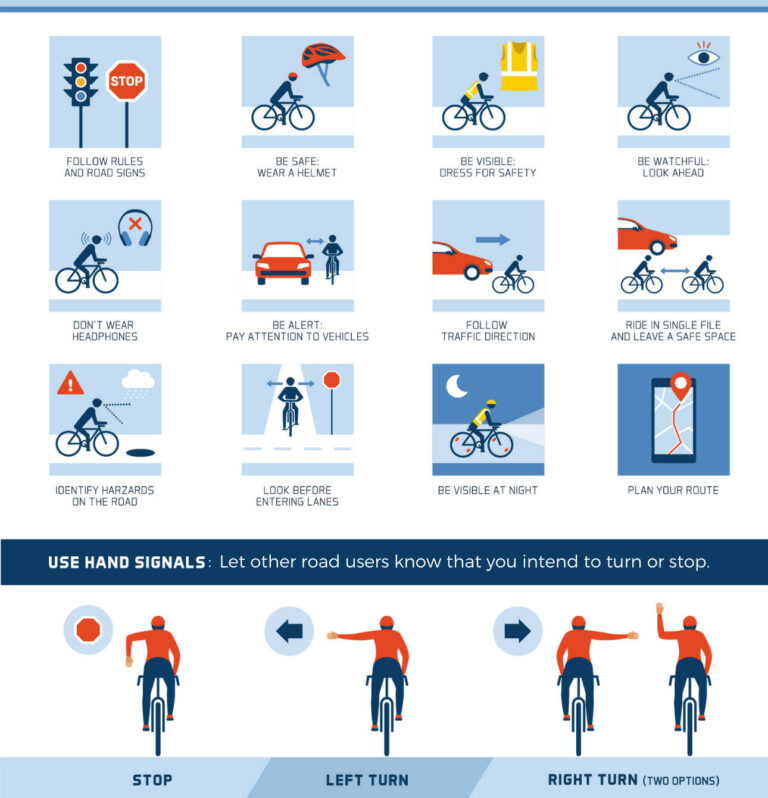
Hand signals are one of the easiest and most effective safety tools for cyclists. You don’t need fancy gestures—just clear communication.
Left arm straight out = turning left
Right arm straight out = turning right
Hand down = slowing or stopping
Using hand signals tells others what you plan to do. This reduces surprises and builds confidence.
Riding etiquette is just as important. Be polite. Give space. Slow down near pedestrians. A friendly nod or verbal warning goes a long way.
For beginners, following basic Cycling Rules like signaling and courtesy makes riding feel less stressful and more natural.
Cycling on Roads vs Cycling Paths
Many beginners wonder where they should ride. The answer depends on availability and comfort.
Riding on Roads
Road cycling can feel intimidating at first, but quiet roads are often safe for beginners. Stay visible, ride predictably, and don’t hug the edge too tightly. Drivers expect cyclists to behave consistently.
Riding on Cycling Paths
Cycling paths are great for beginners because they separate you from traffic. These paths allow relaxed riding and help build confidence. However, you still need to watch for pedestrians and other cyclists.
Understanding where and how to ride is a practical part of Cycling Rules, especially when transitioning between roads and paths.
Solo Riding vs Group Riding Rules
Solo Riding
When riding alone, your focus is simple: awareness. You control your speed, stops, and direction. Solo riding allows beginners to practice skills without pressure.
Group Riding
Group rides follow additional etiquette. Maintain steady speed, avoid sudden stops, and communicate clearly. Beginner groups usually ride slowly and regroup often.
In both cases, Cycling Rules are about cooperation. Riding predictably keeps everyone safe and relaxed.
Pro Tip:
If you’re new, start solo or with beginner-friendly groups only.
Top 5 Safety Mistakes Beginner Cyclists Make
Even with good intentions, beginners often repeat a few common mistakes.
1. Riding Without a Helmet
A helmet significantly reduces head injury risk. It should be worn every ride, no matter how short.
2. Not Being Visible
Dull clothing and lack of lights make cyclists hard to see. Bright colors and lights improve safety instantly.
3. Riding Too Close to Traffic
Staying too close to fast-moving vehicles increases risk. Give yourself space to react.
4. Sudden Movements
Sharp turns or stops without signaling confuse others. Smooth, predictable movement is safer.
5. Ignoring Surroundings
Daydreaming or using phones reduces awareness. Staying alert is one of the most important Cycling Rules beginners should follow.
Building Confidence Through Simple Habits
Confidence doesn’t come from riding fast. It comes from feeling prepared.
Check your brakes before every ride. Adjust your saddle for comfort. Choose routes you feel safe on. These small habits reduce anxiety and help cycling feel familiar.
The more you ride calmly and consistently, the more natural these safety habits become. Over time, Cycling Rules stop feeling like rules and start feeling like common sense.
Cycling Is About Cooperation, Not Competition
Many beginners think cycling is competitive because they see fast riders on the road. That’s only one part of cycling culture.
Beginner cycling is cooperative. It’s about sharing space, respecting others, and enjoying the ride. When everyone follows basic Cycling Rules, roads become safer and more welcoming.
How Safety Helps You Enjoy Cycling More
When beginners understand safety basics, fear reduces. Reduced fear leads to relaxed riding. Relaxed riding leads to enjoyment.
This is why learning simple Cycling Rules early is so important. Safety isn’t a barrier—it’s a gateway to confidence.
Final Thoughts: Safety Builds Freedom
Cycling should never feel scary. When you understand the basics, riding becomes smoother, calmer, and more enjoyable. You don’t need perfection. You just need awareness, patience, and consistency.
Start with the full beginner cycling guide and build your confidence one ride at a time