
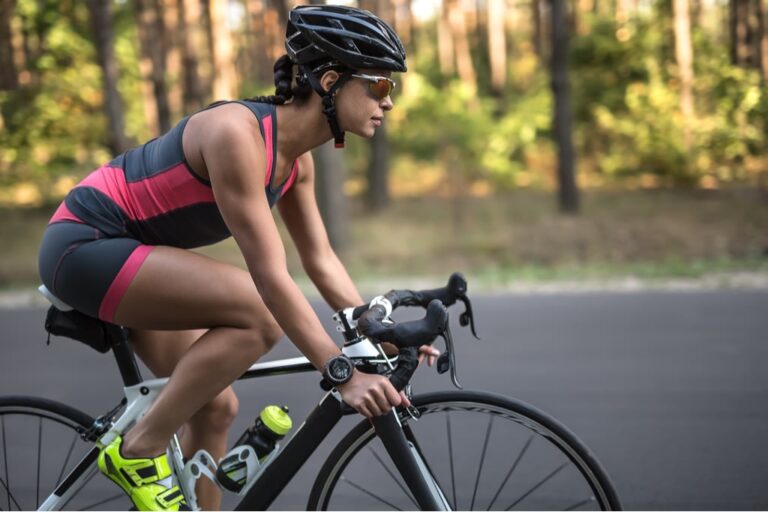
Cycling for Beginners can feel confusing at first. You might be wondering what type of cycling to choose, what gear you actually need, or whether you’re fit enough to start. The good news is that cycling is one of the most beginner-friendly activities in the world. You don’t need extreme fitness, expensive equipment, or years of practice. You just need a bike, a bit of guidance, and the confidence to begin.
This guide is designed to remove confusion and make Cycling for Beginners feel simple, practical, and achievable. Whether your goal is fitness, weight loss, stress relief, or just enjoying the outdoors, this article will walk you through everything you need to know.
What Cycling Really Is (Fitness, Transport, Sport, Lifestyle)
At its core, cycling is simply moving a bicycle forward using your legs. But in real life, cycling can mean many things depending on how you use it.
For some people, cycling is a fitness activity. They ride to improve heart health, burn calories, and build leg strength. For others, it’s transport—a way to commute to work, run errands, or avoid traffic. Cycling is also a sport, with races, time trials, and endurance challenges. And for many, it becomes a lifestyle, offering freedom, community, and mental clarity.
For Cycling for Beginners, it’s important to know that you don’t need to fit into just one category. You can start cycling casually and later decide if you want to ride longer distances, ride faster, or join a group. Cycling adapts to you, not the other way around.
Why Cycling Is Exploding Globally
Cycling has grown rapidly around the world, and it’s not hard to understand why.
From a health perspective, cycling improves cardiovascular fitness, strengthens muscles, and supports joint health. Unlike high-impact exercises, cycling is gentle on the knees and ankles, making it ideal for beginners.
From a cost perspective, cycling is affordable. Once you have a basic bike and helmet, there are very few ongoing expenses. Compared to gym memberships or fuel costs, cycling is budget-friendly.
The mental benefits are just as important. Cycling helps reduce stress, improve mood, and clear your mind. Spending time outdoors and moving at your own pace has a powerful calming effect.
For Cycling for Beginners, this combination of physical, financial, and mental benefits makes cycling one of the easiest habits to stick with long-term.
Cycling vs Running vs Gym Workouts
Many beginners wonder how cycling compares to other popular fitness options. Here’s a simple comparison to help you decide.
| Feature | Cycling | Running | Gym Workouts |
|---|---|---|---|
| Impact on joints | Low | High | Varies |
| Beginner-friendly | Very high | Moderate | Moderate |
| Equipment needed | Bike, helmet | Shoes | Membership, equipment |
| Outdoor exposure | Yes | Yes | Usually no |
| Injury risk | Low | Moderate to high | Varies |
| Enjoyment factor | High | Medium | Depends on preference |
Key Takeaway:
For Cycling for Beginners, cycling offers the best balance of low injury risk, enjoyment, and long-term sustainability.
Types of Cycling Explained
Understanding the different types of cycling helps you choose the right starting point.
Road Cycling
Road cycling is done on paved roads using lightweight bikes. It’s ideal for longer distances and smooth surfaces. Beginners can enjoy road cycling at an easy pace without worrying about speed.
Hybrid Cycling
Hybrid bikes combine features of road and mountain bikes. They are comfortable, versatile, and perfect for beginners. Many people starting Cycling for Beginners choose hybrid bikes because they work well on roads, parks, and light trails.
Mountain Biking (MTB)
Mountain biking is done on rough terrain, trails, and hills. It’s fun but slightly more demanding. Beginners can start on easy trails with basic skills.
Indoor Cycling
Indoor cycling includes stationary bikes and spin classes. It’s weather-proof and convenient, but lacks outdoor experience. It can still be a good starting option for Cycling for Beginners who prefer controlled environments.
Basic Cycling Terminology You Should Know
You don’t need to memorize technical terms, but a few basics help you feel confident.
Cadence: How fast you pedal
Gears: Settings that make pedaling easier or harder
Drafting: Riding behind someone to reduce wind resistance
Peloton: A group of cyclists riding together
Rally (casual use): A continuous stretch of riding without stopping
Pro Tip:
For Cycling for Beginners, focus on comfort, not jargon. Learn terms gradually as you ride more.
Beginner-Friendly Cycling Rules & Road Safety Basics
Safety is a key part of Cycling for Beginners.
Always ride on the correct side of the road and follow traffic signals. Use hand signals to indicate turns and stops. Wear a helmet every time you ride, even for short distances.
Stay visible by wearing bright clothing and using lights if you ride early morning or evening. Keep your eyes on the road and avoid distractions like phones or headphones at high volume.
You don’t need to ride fast. Predictability and awareness matter far more than speed.
Essential Cycling Gear (What You Actually Need)
One common mistake in Cycling for Beginners is buying too much gear too soon.
Here’s what you really need:
A bicycle that fits you
A helmet
Comfortable clothes
Closed-toe shoes with good grip
A water bottle
Optional items include cycling shorts, gloves, and lights. You can add these later as you ride more.
Common Mistake:
Spending heavily on gear before understanding your riding style.
How to Start Cycling as a Beginner (Step-by-Step Plan)
Starting Cycling for Beginners doesn’t require a complex plan.
Choose a simple route close to home
Check tire pressure and brakes
Start with 15–20 minutes
Ride at a pace where you can talk
Stop when tired—there’s no shame
Ride 2–3 times per week
Gradually increase time, not speed. Consistency matters more than intensity.
Common Beginner Cycling Mistakes to Avoid
Many beginners quit cycling because of avoidable mistakes.
Riding too hard too soon
Comparing yourself to experienced cyclists
Ignoring rest days
Poor bike fit
Skipping safety basics
Key Takeaway:
Cycling for Beginners should feel enjoyable, not exhausting.
Who Cycling Is Perfect For
Cycling truly is for almost everyone.
It works for all age groups, from teens to seniors. It supports weight loss and fitness without stressing joints. It suits people with different fitness levels, from complete beginners to athletes.
If you can pedal, you can cycle. Cycling for Beginners doesn’t require a certain body type or background—just willingness to start.
Final Thoughts: Start Simple, Stay Consistent
Cycling for Beginners is not about perfection. It’s about movement, enjoyment, and building confidence over time. Start small, ride often, and let progress come naturally.
New to cycling? Start here and plan your first ride today.
Your journey begins with the first pedal stroke—and it’s closer than you think 🚴♂️







