
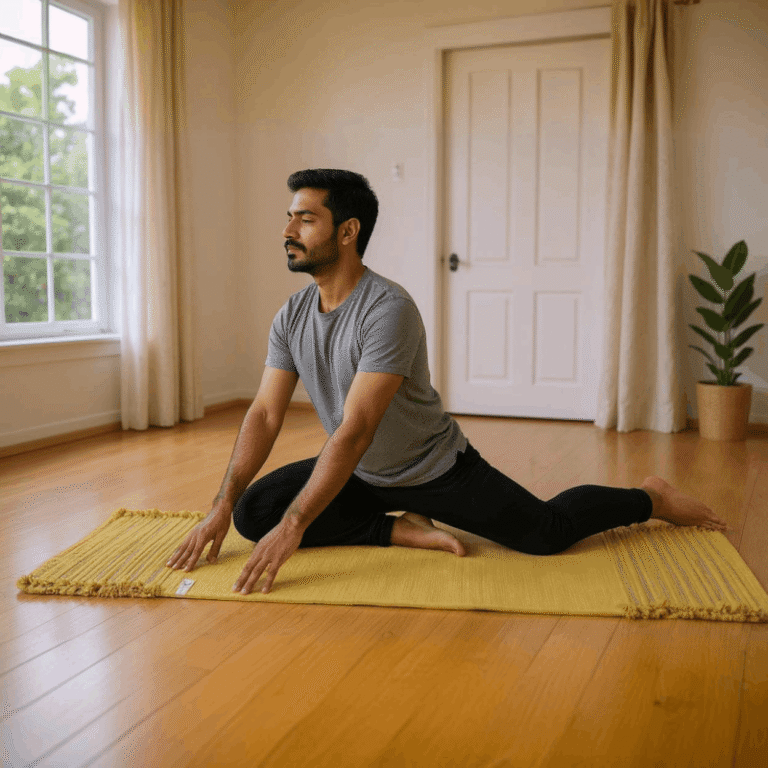
Starting yoga often comes with one big question: What yoga gear do I actually need?
If you search online, you’ll see endless mats, outfits, blocks, straps, towels, and accessories. It can quickly feel overwhelming and expensive.
Here’s the truth: you need very little yoga gear to begin.
This guide is written for real beginners who want clarity, not clutter. We’ll break down what’s mandatory, what’s optional, and what you can safely skip. By the end, you’ll know exactly how to start yoga without wasting money or feeling unprepared.
Let’s start simple.
You only need two things to begin:
A yoga mat
Comfortable clothes
That’s it.
Everything else is optional. Yoga was practiced for centuries with almost no equipment. Modern yoga gear exists to make practice more comfortable—not more complicated.
Helpful, but not required:
Yoga blocks
Yoga straps
Bolsters or cushions
Expensive premium mats
Designer yoga outfits
Advanced accessories
Matching sets and gadgets
Yoga gear supports your practice. It does not define it.
The yoga mat is the most important piece of yoga gear you’ll own.
4–6 mm: Ideal for beginners
Thinner mats feel firm but less cushioned
Thicker mats protect joints but may reduce balance
Grip prevents slipping.
Look for non-slip surfaces
Avoid glossy or shiny mats
Grip matters more than brand
Common yoga mat materials include:
PVC (durable, affordable)
TPE (eco-friendly, lightweight)
Rubber (excellent grip, heavier)
For beginners, durability and grip matter more than eco claims.
Affordable beginner mats work perfectly
You can upgrade later once you understand your needs
Buying an expensive mat before knowing your practice style.
Yoga clothing doesn’t need to be fancy.
Stretchable fabric
Breathable material
Clothes that stay in place during movement
T-shirts or fitted tops
Avoid loose clothing that falls over your face
Leggings, track pants, or stretchable shorts
Ensure they don’t restrict movement
Very loose or slippery fabrics
Clothes chosen only for looks
Anything uncomfortable
Yoga gear should help you forget about your clothes—not constantly adjust them.
Props are part of yoga gear that help beginners feel supported.
Help with balance
Reduce strain
Make poses accessible
Blocks are especially useful if you’re stiff or tight.
Assist with stretching
Help reach poses safely
Prevent overstretching
Used mainly for relaxation
Helpful in Yin or Restorative Yoga
You don’t need to buy props immediately. Household items like books or towels work just fine at first.
Let’s talk money honestly.
Yoga mat
Comfortable clothes you already own
This is enough to begin.
Mid-range yoga mat
One block or strap
Premium mats
Multiple outfits
Full prop sets
Yoga is one of the most affordable fitness practices. Don’t let marketing convince you otherwise.
One of the best things about yoga is how little space it needs.
Enough room to stretch arms and legs
Flat, non-slip surface
Quiet and comfortable
Good ventilation
Natural light if possible
Small towel
Cushion
Calm music
Your home yoga setup doesn’t need to look perfect. It just needs to feel welcoming.
As you practice more, your understanding of yoga gear improves.
Over time, you may notice:
You want more grip
You prefer more cushioning
You enjoy certain props
That’s when upgrading yoga gear makes sense—not before.
Beginners often assume higher price means better yoga. Not true.
Slipping during poses is frustrating and unsafe.
Too much yoga gear can distract from learning the basics.
What works for someone online may not work for your body.
Good yoga gear feels invisible during practice.
Yes.
Yoga can be practiced:
Barefoot
On the floor
In simple clothing
Yoga gear makes practice easier, not mandatory.
Having simple, functional yoga gear helps beginners feel more confident.
Confidence comes from:
Comfort
Stability
Not worrying about slipping or adjusting
But confidence does not come from expensive equipment.
Upgrade when:
Your mat wears out
You practice regularly
You understand your preferences
Not when:
You’re just starting
You feel pressured
You’re chasing trends
Yoga is a journey. Your gear should evolve slowly.
Here’s all you really need:
✔ Yoga mat
✔ Comfortable clothes
✔ Open mind
Everything else is optional.
Yoga doesn’t require a shopping spree.
It requires intention, patience, and consistency.
Start small. Learn your body. Let your practice guide your choices.
👉 Start practicing yoga before upgrading gear.
Beginners only need very basic yoga gear to start. A non-slip yoga mat and comfortable, stretchable clothing are enough for most people. Everything else—such as blocks, straps, or bolsters—is optional. Yoga gear is meant to support your practice, not complicate it. Many beginners start yoga successfully with minimal equipment and upgrade later as they understand their needs better.
No, expensive yoga mats are not necessary when you’re just starting. Beginner-friendly mats provide enough grip and cushioning for learning basic poses. Premium mats are designed for experienced practitioners with specific preferences. It’s better to start with an affordable mat and invest in better yoga gear only after you’ve developed a consistent practice.
A yoga mat that is around 4–6 mm thick is ideal for beginners. This thickness provides enough cushioning for joints while still offering stability for standing poses. Mats that are too thin can feel uncomfortable, while very thick mats may make balancing difficult. Comfort and grip matter more than thickness alone.
Yes, you can practice yoga without buying special yoga clothing. Any comfortable, stretchable clothes that allow free movement will work. Many beginners start yoga wearing regular T-shirts and track pants or leggings. Yoga gear does not need to be fashionable; comfort and ease of movement are what matter most.
Yoga blocks and straps are helpful but not required. They support balance, improve flexibility, and prevent overstretching, especially for beginners. However, you can easily substitute them with household items like books, towels, or belts. Props become more useful as your practice grows, but they are not mandatory at the start.
Beginners should avoid buying expensive mats, multiple outfits, advanced props, and trendy accessories. Over-buying yoga gear often leads to clutter and wasted money. It’s best to start with the basics and upgrade gradually based on actual experience rather than marketing or social media trends.
The basic yoga gear is the same for both home and studio practice. A yoga mat and comfortable clothes are sufficient. Studios often provide props like blocks and straps, while home practice may require improvisation. Home yoga setups don’t need special furniture or decorations—just enough space to move comfortably.
A yoga mat has good grip if your hands and feet don’t slide during poses like downward-facing dog. Avoid shiny or overly smooth surfaces. Grip is especially important for beginners, as slipping can be distracting and unsafe. Reading reviews and trying the mat barefoot can help you judge grip quality.
Beginners should upgrade yoga gear only after practicing regularly for a few months. Once you understand your preferences—such as needing more grip or cushioning—it makes sense to invest in better equipment. Upgrading too early often leads to buying yoga gear that doesn’t match your actual practice style.
Yes, yoga can be practiced with no gear at all. Traditionally, yoga required little to no equipment. While modern yoga gear improves comfort and safety, it is not essential. Beginners can start yoga on a clean floor with simple clothing and still experience the full benefits of the practice.


Every step forward deserves a high-five.✋
Address:
Plot 21 Krishnapuram Beside Income Tax Colony Rd No 10 Banjara Hills, Hyderabad, 500034, India
Write to us at:





