
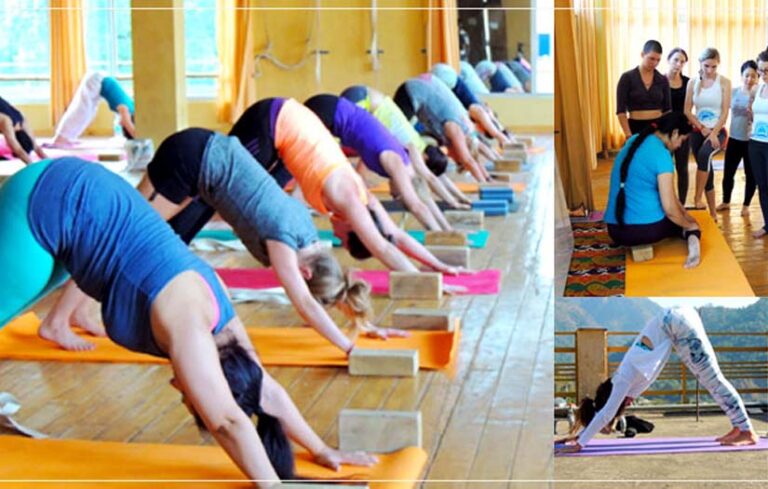
Walking into a yoga studio for the first time can feel intimidating. You might wonder if everyone will be more flexible than you, if you’ll do something wrong, or if you’ll stand out as a beginner. These thoughts are completely normal.
This guide is written to remove that anxiety.
If you’re searching for How to Start Your First Yoga Class, this blog will walk you through everything step by step—what happens when you enter, what to wear, how classes actually feel, and how to stay confident even if you’re nervous. No pressure. No complicated rules. Just honest guidance.
For most beginners, the fear isn’t yoga itself. It’s the unknown.
You may worry about:
Not knowing what to do
Feeling awkward
Being judged
Falling behind
The truth is simple: everyone in that room was once a beginner too. Yoga studios are usually some of the least judgmental spaces you’ll ever enter.
Understanding how to start your first yoga class properly removes most of that fear.
Let’s walk through this calmly.
You’ll remove your shoes at the entrance
You may check in at the desk
The atmosphere is usually quiet and calm
No one expects you to know everything. If you’re unsure, staff or instructors are usually happy to help.
Mats may already be laid out or stacked
Lights are usually soft
People quietly stretch or sit
You don’t need to talk to anyone unless you want to.
Arrive 10–15 minutes early for your first class. It helps you settle in without rushing.
One of the biggest beginner questions when learning How to Start Your First Yoga Class is about clothing.
Comfortable, stretchable clothes
A T-shirt or fitted top
Leggings, track pants, or stretchable shorts
Very loose clothing
Slippery fabrics
Anything tight or uncomfortable
You don’t need fancy yoga outfits. Comfort matters far more than fashion.
This is simpler than it looks.
Place your mat where you feel comfortable
Back or side of the room is fine for beginners
There is no “wrong” place
Most studios allow you to choose freely. If you’re unsure, just observe where others place their mats.
Leave enough space to stretch your arms and legs without touching others.
That’s all.
Most yoga classes begin gently.
Light stretching
Slow movements
Simple poses
Focus on breathing
You won’t be thrown into difficult poses immediately. Warm-ups are designed to prepare your body safely.
This is where beginners often start to relax and feel more comfortable.
Breathing is a big part of yoga, but it’s not complicated.
“Inhale” = breathe in
“Exhale” = breathe out
“Breathe deeply” = slow, relaxed breathing
You’re not expected to control your breath perfectly. Just breathe naturally and calmly.
If you ever feel confused, just breathe normally. That’s always okay.
This is one of the most important things to understand when learning How to Start Your First Yoga Class.
Instructors often give easier options for poses. These are not “cheating.” They are smart and safe.
You can:
Pause
Sit
Lie down
Skip a pose
No one will stop you. No one will judge you.
Listening to your body is more important than following instructions perfectly.
Your first class may feel:
Slightly awkward
Calm
Surprisingly relaxing
Physically gentle
You may not understand every pose—and that’s fine. Yoga is learned through experience, not perfection.
Yoga studios have a few unspoken rules, but they’re easy.
Keep voices low
Avoid chatting during class
Silence your phone
Leave it outside if possible
Respect others’ space
Follow instructor guidance
Be kind to yourself
That’s all the etiquette you need to know.
Everyone is focused on their own body and breath. No one is judging you.
Yoga is not a test. Taking breaks is part of the practice.
Some people look flexible because they’ve practiced longer—not because they’re better.
Confidence grows naturally with time.
“I’m doing this wrong” → Everyone feels this at first
“I’m not flexible enough” → That’s why yoga exists
“I should keep up” → No, move at your pace
Knowing how to start your first yoga class is about mindset as much as movement.
After your first yoga class, you may feel:
Relaxed
Calm
Slightly sore
Proud you showed up
Even one class is a win.
Start with:
1–2 classes per week
This is enough to build comfort and confidence without overwhelm.
Consistency matters more than frequency.
Many people walk in nervous and walk out relieved.
Yoga feels:
Non-judgmental
Supportive
Calm
Once you understand How to Start Your First Yoga Class, the fear usually disappears.
You don’t need:
Flexibility
Experience
Confidence
Confidence comes after you start—not before.
Take a breath. Roll out your mat. Begin.
👉 New to yoga? Read the full beginner guide and start your journey with clarity and confidence.
Feeling nervous is completely normal before your first yoga class. Most beginners worry about not knowing what to do or feeling out of place. The best way to ease anxiety is to arrive early, choose a comfortable spot, and remind yourself that everyone started somewhere. Yoga classes are generally supportive and non-judgmental environments designed for learning, not perfection.
No, flexibility is not required to start yoga. Many people begin yoga because they feel stiff or tight. Yoga poses can be modified to suit your current ability, and flexibility develops gradually with regular practice. Your first yoga class is about learning movements and breathing, not achieving advanced poses.
It’s completely okay if you can’t keep up. Yoga allows you to move at your own pace. You can pause, rest, or skip poses whenever you need. Instructors encourage listening to your body rather than pushing through discomfort. Falling behind does not mean you’re doing yoga wrong.
Most studios only require a yoga mat and comfortable clothing. Some studios provide mats, but it’s helpful to check in advance. You may also bring a small towel and water if you like. Avoid bringing unnecessary items—keeping it simple helps you feel more relaxed.
Yes, resting is always allowed in yoga. You can sit, lie down, or pause whenever you feel tired or overwhelmed. Taking breaks is a sign of awareness, not weakness. Your instructor will never expect you to push beyond your comfort level, especially as a beginner.
Most instructors offer gentle verbal guidance rather than singling people out. If physical adjustments are used, they are usually optional and respectful. You can always let the instructor know beforehand if you prefer not to be adjusted. Corrections are meant to help, not embarrass.
Arriving 10–15 minutes early is ideal for your first yoga class. This gives you time to check in, set up your mat, and relax before the session starts. Rushing in late can increase anxiety, so giving yourself extra time helps you feel settled and confident.
Yes, it’s completely normal to feel confused during your first class. Yoga is learned through practice, not memorization. Over time, poses will start to feel familiar. If you’re unsure, you can watch the instructor or other students and move in a way that feels comfortable.
Feeling awkward is common for beginners, but it fades quickly. Everyone in the room is focused on their own practice, not on you. Yoga is not a performance. The more you attend classes, the more comfortable and confident you’ll feel naturally.
After your first yoga class, notice how you feel rather than how you performed. If you feel calmer, more relaxed, or simply proud of yourself for trying, that’s a positive sign. Yoga doesn’t need to feel perfect to be effective. Giving it a few classes helps you decide if it fits your lifestyle and goals.


Every step forward deserves a high-five.✋
Address:
Plot 21 Krishnapuram Beside Income Tax Colony Rd No 10 Banjara Hills, Hyderabad, 500034, India
Write to us at:





