
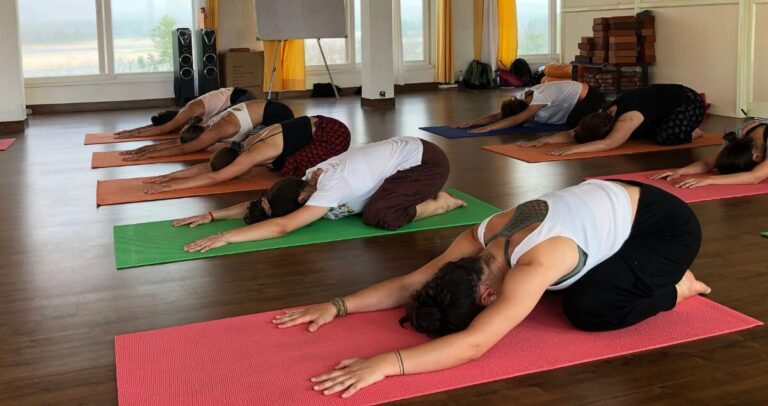
Yoga can look confusing from the outside. People bending into impossible shapes, strange words being spoken, and the feeling that you’re somehow “not flexible enough” to even begin. The truth is much simpler. Yoga is not about perfection. It’s about progress, awareness, and learning to move and breathe better in your own body.
This Beginner’s Guide to Yoga is written for complete beginners. No jargon. No pressure. Just clear explanations, practical steps, and realistic advice so you can start yoga in a way that actually fits your life.
Yoga is a system of movement, breathing, and awareness that helps you build strength, flexibility, and mental calm at the same time.
Yoga began thousands of years ago in India as a holistic practice connecting the body, breath, and mind. Traditionally, it was never just exercise. It included breathing practices, meditation, and lifestyle principles.
Modern yoga has evolved. Today, most people practice yoga for:
Physical fitness
Stress relief
Better posture
Mental clarity
While the spiritual side still exists, beginner yoga classes today focus mainly on movement, breathing, and relaxation.
Yoga’s popularity has exploded worldwide, and for good reason.
Stress relief: Yoga calms the nervous system
Accessible fitness: Suitable for all ages and fitness levels
Mental health support: Encourages mindfulness and presence
Low injury risk: Gentle compared to many workouts
In a fast, screen-heavy world, yoga offers something rare: time to slow down and reconnect.
Many beginners wonder how yoga compares to other fitness options. Here’s a simple breakdown.
| Feature | Yoga | Pilates | Gym Workouts |
|---|---|---|---|
| Primary Goal | Balance of body & mind | Core strength & control | Strength, muscle, fat loss |
| Intensity | Low to moderate | Moderate | Varies (often high) |
| Flexibility Focus | High | Moderate | Low |
| Mindfulness | High | Moderate | Low |
| Equipment Needed | Minimal | Mat or reformer | Machines & weights |
| Injury Risk | Low | Low–Moderate | Moderate–High |
| Beginner Friendly | Very | Yes | Depends on guidance |
If your goal is overall wellness, flexibility, and stress reduction, yoga is usually the easiest place to start.
Not all yoga styles are the same. Choosing the right one makes your experience much more enjoyable.
Slow-paced
Focuses on basic poses
Great for absolute beginners
Best for: Learning foundations and building confidence
Smooth flow between poses
Breath-led movement
Slightly more dynamic
Best for: People who enjoy movement and variety
Fixed sequence of poses
Physically demanding
Structured and disciplined
Best for: Athletic beginners (not ideal for first-timers)
Long-held stretches
Very slow and calm
Targets deep tissues
Best for: Stress relief and flexibility
Fast-paced and fitness-focused
Builds strength and stamina
Best for: Those seeking a workout-style yoga
If you’re unsure, start with Hatha or gentle Vinyasa. You can always explore others later.
Yoga classes use a few common terms. Knowing them helps you feel less lost.
Asana: A yoga pose
Pranayama: Breathing techniques
Namaste: A respectful greeting
Flow: Continuous movement between poses
Savasana: Final relaxation pose
You don’t need to memorize these. You’ll learn naturally over time.
Yoga works on your body and mind together.
Improved flexibility and mobility
Better posture and balance
Functional strength using bodyweight
Reduced joint stiffness
Lower stress and anxiety
Improved focus and concentration
Better emotional regulation
Improved sleep quality
Reduced injury risk
Better breathing habits
Sustainable fitness routine
Yoga isn’t about quick results. It’s about long-term consistency.
Yoga is refreshingly simple when it comes to gear.
Yoga mat: Non-slip, comfortable thickness
Comfortable clothing: Stretchy and breathable
Blocks: Support balance and flexibility
Straps: Help with tight muscles
Expensive accessories
Advanced props
Designer outfits
Thinking you need expensive gear to start. You don’t.
This Beginner’s Guide to Yoga is all about keeping things simple.
Ask yourself:
Do I want less stress?
Better flexibility?
Gentle fitness?
Your goal guides your style choice.
Stress relief → Hatha or Yin
General fitness → Vinyasa
Strength focus → Power Yoga
Home practice:
Convenient
Less pressure
Great for beginners
Studio practice:
Instructor guidance
Community support
Better form correction
Both are valid.
Start with:
2–3 sessions per week
20–40 minutes per session
Consistency matters more than duration.
Notice:
How your body feels
Energy levels
Stress reduction
Progress isn’t just physical.
Yoga should never hurt. Discomfort is okay. Pain is not.
Everyone’s body is different. Yoga is personal.
Breath is the foundation of yoga. Don’t rush through it.
Advanced poses don’t make you better at yoga. Consistency does.
Slow progress is still progress.
Yoga is not limited by age, gender, or fitness background.
Teens: Body awareness
Adults: Stress and posture
Seniors: Mobility and balance
Complete beginners
Athletes
People returning from injury
Office workers
Runners and gym-goers
Busy parents
Yoga adapts to you, not the other way around.
This Beginner’s Guide to Yoga focuses on:
Simplicity over perfection
Consistency over intensity
Awareness over performance
Yoga is not about touching your toes. It’s about learning how your body moves and how your mind responds.
You don’t need flexibility.
You don’t need fancy gear.
You don’t need experience.
You only need curiosity and a willingness to begin.
Absolutely. Yoga is designed to build flexibility, not require it. Many beginners start yoga feeling stiff or restricted, especially in the hips, hamstrings, or shoulders. Yoga poses can always be modified using props like blocks or straps, or by simply reducing the range of motion. Over time, consistent practice gently improves flexibility, mobility, and body awareness. In fact, many people who feel “inflexible” benefit the most from yoga.
For beginners, practicing yoga 2–3 times per week is more than enough to see benefits. Even short sessions of 20–30 minutes can improve flexibility, reduce stress, and increase energy. The key is consistency rather than duration. Daily yoga is optional but not necessary. Listening to your body and allowing rest days is important, especially in the early stages of your yoga journey.
Hatha Yoga and gentle Vinyasa Yoga are generally the best options for beginners. Hatha yoga focuses on basic poses held for longer periods, allowing you to learn alignment and breathing without rushing. Gentle Vinyasa introduces flowing movement at a manageable pace. Styles like Ashtanga or Power Yoga can be physically demanding and are better explored after building a foundation through beginner-friendly classes.
Yes, yoga is one of the most effective practices for managing stress and anxiety. Through slow movement, controlled breathing, and mindful awareness, yoga activates the parasympathetic nervous system, which helps calm the body and mind. Regular practice can lower cortisol levels, improve sleep, and enhance emotional regulation. Many beginners notice mental benefits even before physical changes become visible.
No prior fitness level is required to start yoga. Yoga adapts to your current abilities, whether you are sedentary, recovering from injury, or already active. Beginners are encouraged to move slowly, rest when needed, and focus on breathing rather than performance. Over time, yoga naturally builds strength, balance, and endurance without placing excessive strain on the body.
Both options work well for beginners, depending on comfort and access. Home yoga offers privacy, flexibility, and convenience, making it ideal for people who feel self-conscious. Studio classes provide guidance, form correction, and community support, which many beginners find motivating. If possible, starting with a few guided sessions—either online or in-person—helps establish good habits before practicing independently.
It’s best to practice yoga on a light stomach. Ideally, eat a small meal 2–3 hours before class or a light snack (like fruit or nuts) about 30–60 minutes before. Heavy meals can make poses uncomfortable and affect breathing. Staying hydrated is important, but avoid drinking large amounts of water immediately before practice to prevent discomfort during movement.
Yes, yoga is widely recommended for improving posture and managing mild to moderate back pain. Yoga strengthens core muscles, improves spinal mobility, and increases awareness of alignment. Gentle poses and stretches can relieve tension caused by prolonged sitting or poor posture. However, beginners with chronic pain or injuries should start slowly and consider consulting a qualified instructor or healthcare professional.
Not being able to perform certain poses is completely normal, especially for beginners. Yoga is not about achieving perfect shapes; it’s about working within your body’s limits. Most poses have modifications, and resting is always allowed. Over time, strength and flexibility improve naturally. Comparing yourself to others can be discouraging, so focus on your own progress and comfort.
Some benefits, like relaxation and reduced stress, can be felt after just one session. Physical changes such as improved flexibility, balance, and strength typically appear within 3–6 weeks of consistent practice. Long-term benefits, including better posture, mental clarity, and emotional balance, develop gradually. Yoga is a lifelong practice, and its effects compound over time with patience and regularity.

Every step forward deserves a high-five.✋
Address:
Plot 21 Krishnapuram Beside Income Tax Colony Rd No 10 Banjara Hills, Hyderabad, 500034, India
Write to us at:





