
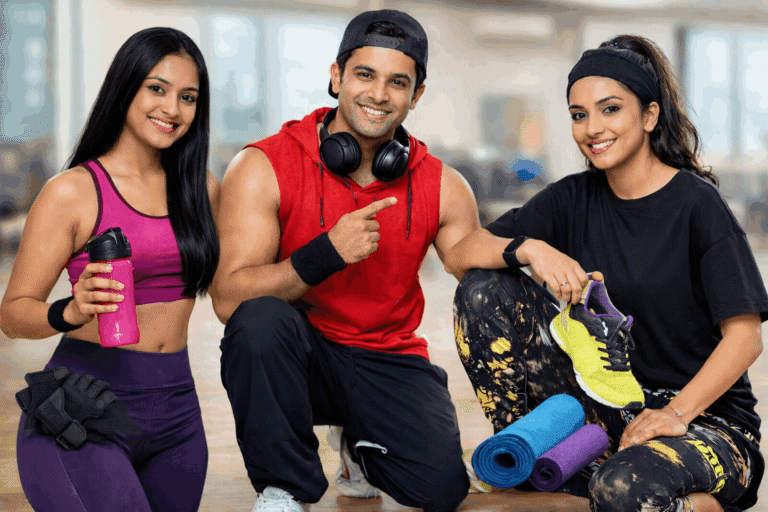
Starting dance fitness is exciting. Music is pumping, your body is moving, and suddenly workouts don’t feel like work anymore. But for beginners, one big mistake happens early: buying too much Dance Fitness Gear too soon.
You don’t need a closet full of outfits or top-tier shoes to get started. In fact, buying the wrong gear can slow progress, drain motivation, and even increase injury risk. This guide is designed to help you spend wisely, move confidently, and build trust with your body before your wallet.
The goal is simple: help you understand which Dance Fitness Gear is essential, which is optional, and which is best avoided—especially in your first few months.
When you’re new, less is more. Dance fitness rewards consistency, not expensive equipment. Let’s break down the basics.
These are items that directly affect safety, comfort, and consistency.
Supportive dance-friendly shoes
Breathable clothing that allows movement
A water bottle
Small towel
Open floor space (at home or studio)
That’s it. These basics cover 90% of beginner needs in Dance Fitness Gear.
Nice to have, but not required early on.
Heart rate monitors
Resistance bands
Mirrors
Dance socks or spin socks
Specialty mats
Optional gear should only come after you’ve built a routine.
Expensive branded outfits
Studio-quality sound systems
Weighted vests or ankle weights
High-fashion dance sneakers
Complex tracking devices
These purchases often look motivating—but they don’t create motivation.
| Category | Purpose | Beginner Need Level | Cost Impact | Injury Risk | Upgrade Timing |
|---|---|---|---|---|---|
| Shoes | Support & safety | Essential | Medium | High if wrong | Early |
| Clothing | Comfort & movement | Essential | Low | Low | Early |
| Water bottle | Hydration | Essential | Low | Low | Immediate |
| Resistance bands | Strength add-on | Optional | Low | Medium | Later |
| Heart rate monitor | Tracking | Optional | Medium | Low | Later |
| Weighted gear | Intensity | Skip | High | High | Advanced |
Shoes are the most important piece of Dance Fitness Gear you’ll buy.
Allow pivoting and turning
Provide lateral (side-to-side) support
Cushion impact from jumps
Bend at the ball of the foot
Running shoes are not ideal. They are built for forward motion, not multi-directional dance moves.
Too much grip stops your foot from rotating naturally. This places stress on knees and ankles.
Pro Tip: Shoes with too much grip can actually increase injury risk in dance fitness.
Look for shoes labeled as:
Dance sneakers
Studio trainers
Cross-training shoes (with smooth soles)
Using old running shoes
Buying shoes that are too stiff
Choosing style over function
Wearing outdoor shoes indoors
Your shoes don’t need to be expensive. They need to move with you.
Good Dance Fitness Gear should make you forget about what you’re wearing.
Breathable fabric
Stretch in all directions
Secure fit without restriction
Leggings, joggers, shorts, tanks, or tees all work. There’s no “dance body” requirement.
If you feel awkward adjusting clothes mid-workout, you’ll hold back. Choose clothing that stays in place and lets you move freely.
Start with layers if you’re unsure
Warm up fully before removing layers
Avoid heavy fabrics that trap heat
Key Takeaway: The best dance outfit is the one you stop thinking about after the first song.
Your environment is part of your Dance Fitness Gear, whether you realize it or not.
You only need:
Clear floor space (6×6 feet minimum)
Smooth flooring (wood, vinyl, or mat)
Phone, tablet, or TV
Stable internet connection
Avoid dancing on thick carpet—it limits foot movement and increases joint stress.

Studios usually provide:
Mirrors
Sound system
Proper flooring
Bring:
Shoes
Water
Towel
That’s all. Studios reduce setup stress, but home workouts build consistency.
Let’s talk real numbers. You can build effective Dance Fitness Gear on almost any budget.
Shoes: Moderate investment (most important)
Clothing: Affordable basics
Accessories: Minimal
Spend more on what protects your body. Spend less on what looks good online.
Pro Tip: If gear doesn’t directly improve safety, comfort, or consistency—wait.
Upgrade gear only after:
6–8 weeks of consistent practice
Clear understanding of your style (Zumba, hip-hop, cardio dance, etc.)
Many beginners quit not because dance fitness is hard—but because their Dance Fitness Gear works against them.
New gear creates pressure. Pressure kills joy.
Advanced dancers need different gear. You don’t yet—and that’s okay.
Uncomfortable gear = distracted workouts = slower progress.
Trends fade. Good basics don’t.
Common Mistake: Thinking better gear equals better results. Consistency always wins.
The right Dance Fitness Gear supports—not replaces—good habits.
Shoes protect joints
Clothing supports confidence
Simple setups remove excuses
Smart budgets reduce burnout
Your body adapts before your gear needs to.
You don’t need perfect gear to begin. You need permission to start.
Start moving first — upgrade your gear later.
Dance fitness is about joy, rhythm, and momentum. Let your movement lead. Let your gear follow.







