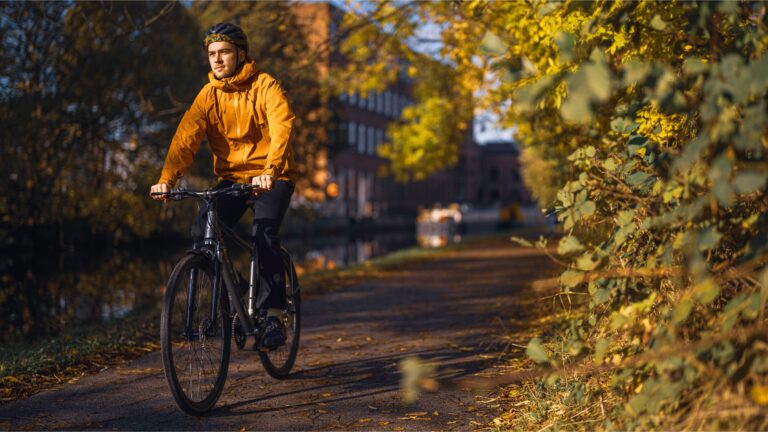
Starting cycling is exciting—but buying gear can quickly become confusing. Walk into any bike store or browse online and you’ll see endless options, upgrades, and accessories. This is where many beginners feel overwhelmed and overspend before they’ve even ridden properly.
This guide is written to keep things simple. Beginner Cycling Gear does not need to be expensive, complicated, or perfect. You only need a few essentials to start. Everything else can come later—if you even need it at all.
Mandatory vs Optional Cycling Gear
Let’s begin with clarity. Not all cycling gear is essential.
Mandatory Gear (You Need These to Start)
A bicycle that fits you
A helmet
Comfortable clothing
Flat shoes with good grip
Water bottle
That’s it. If you have these, you can start cycling today. Beginner Cycling Gear should support comfort and safety—not create pressure.
Optional Gear (Helpful but Not Required)
Cycling gloves
Padded cycling shorts
Front and rear lights
Basic bike lock
These items improve comfort and convenience, but they are not required for your first rides.
Key Takeaway:
If a piece of gear doesn’t help you ride safely or comfortably, it can wait.
Choosing Your First Bicycle (Road vs Hybrid vs MTB)
Choosing a bike is the biggest decision beginners face. The good news is that there’s no “perfect” choice—only a practical one.
Road Bikes
Road bikes are lightweight and designed for smooth roads. They are fast and efficient, but the riding position can feel uncomfortable for beginners. If your goal is fitness rides on paved roads, road bikes can work—but they’re not beginner-friendly for everyone.
Hybrid Bikes
Hybrid bikes combine comfort and versatility. They have flat handlebars, upright posture, and wider tires. For most people starting out, hybrids are the easiest option. When people talk about Beginner Cycling Gear, hybrid bikes are usually the safest recommendation.
Mountain Bikes (MTB)
Mountain bikes are built for rough terrain. They’re sturdy and comfortable but heavier. If you’ll ride on bad roads or trails, MTB works well. For smooth city riding, they can feel slow.
Quick Comparison Table
| Feature | Road Bike | Hybrid Bike | Mountain Bike |
|---|---|---|---|
| Comfort | Low–Medium | High | High |
| Speed | High | Medium | Low |
| Terrain | Smooth roads | Roads + parks | Trails, rough roads |
| Beginner-friendly | Moderate | Very High | High |
| Maintenance | Medium | Low | Medium |
Pro Tip:
Choose comfort over speed when selecting your first bike.
Helmet Basics (Fit, Safety Standards)
A helmet is the most important safety item in Beginner Cycling Gear.
A good helmet should:
Sit level on your head
Cover your forehead
Feel snug but not tight
Not move when you shake your head
You don’t need the most expensive helmet. Look for basic safety certification and proper fit. A well-fitted helmet protects better than a costly one worn incorrectly.
Common Mistake:
Buying a helmet based only on looks.
Shoes, Shorts & Gloves (What Actually Helps)
This is where beginners often overspend.
Shoes
You do not need cycling-specific shoes. Regular sports shoes with flat soles and good grip are perfect. Clip-in shoes can wait until you’re experienced.
Shorts
Padded cycling shorts improve comfort, especially for longer rides. They’re helpful but optional. Many beginners ride comfortably in regular shorts at first.
Gloves
Gloves reduce hand fatigue and protect your palms if you fall. They’re inexpensive and useful, but not mandatory.
For Beginner Cycling Gear, comfort items should be added gradually—not all at once.
Budget Ranges for Beginner Cyclists
Cycling does not need to be expensive. Here’s a realistic budget breakdown.
| Item | Budget Range |
|---|---|
| Bicycle | Entry-level range |
| Helmet | Low to mid-range |
| Shoes | Regular sports shoes |
| Clothing | Existing workout clothes |
| Optional accessories | Low-cost add-ons |
Key Takeaway:
Start small. Upgrade only after riding consistently.
Gear Mistakes That Waste Money
Many beginners regret purchases made too early. Avoid these common mistakes.
1. Buying High-End Gear Immediately
Expensive gear won’t make cycling easier at the start. Skills and consistency matter more.
2. Buying Everything at Once
You don’t need a full setup on day one. Beginner Cycling Gear should grow with experience.
3. Copying Experienced Cyclists
What works for advanced riders may not work for beginners. Your needs are different.
4. Ignoring Bike Fit
A poorly fitted bike causes discomfort and injury—even if it’s expensive.
5. Chasing Trends
Gear trends change. Comfort and practicality don’t.
How Gear Should Support Beginners
Good gear should:
Reduce discomfort
Improve safety
Build confidence
If it doesn’t do at least one of these, it’s not essential. Beginner Cycling Gear exists to support riding—not distract from it.
When Should Beginners Upgrade Gear?
Upgrade only when:
You ride regularly
You know what feels uncomfortable
You understand your riding style
Most upgrades happen naturally after weeks or months of riding.
Pro Tip:
Let experience guide your purchases—not excitement.
Cycling Comfort Matters More Than Appearance
Many beginners worry about how they look. In reality, comfort matters far more. Wear what feels good. Ride what feels stable. Ignore pressure to look “like a cyclist.”
That mindset is a core part of choosing Beginner Cycling Gear wisely.
Final Thoughts: Keep Gear Simple, Start Riding
Cycling begins with movement—not shopping. You don’t need perfect equipment to enjoy your first rides. Start simple. Ride often. Learn as you go.
You don’t need perfect gear to start cycling.
Start riding first—upgrade later 🚴♂️