
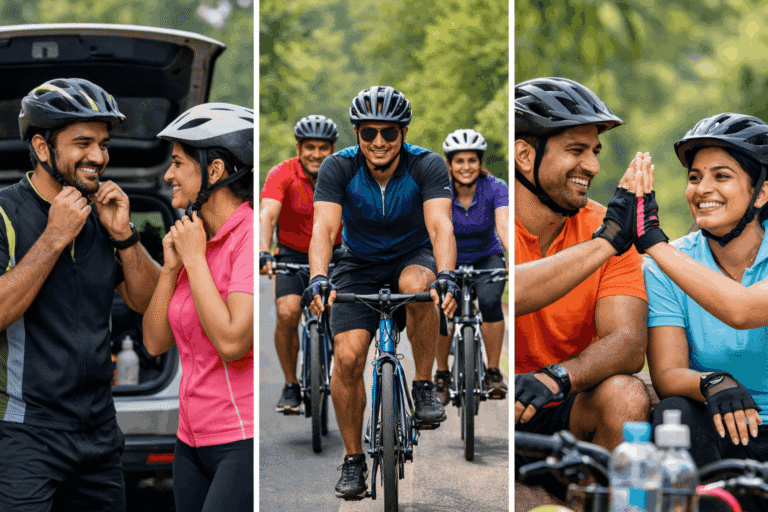
Starting something new often feels harder in your head than in real life. Cycling is no different. Many people delay their first ride because they don’t know what will happen, how they’ll feel, or whether they’ll “do it right.” The truth is, Your First Cycling Ride doesn’t need to be perfect—it just needs to happen.
This guide is written to help you visualize the entire experience, from the moment you decide to ride to the moment you finish and feel proud. No pressure. No complicated steps. Just simple guidance to help you feel calm and confident.
What to Expect Before Your First Ride
Before you even get on the bike, it’s normal to feel a mix of excitement and nervousness. You might worry about getting tired too quickly, not knowing where to ride, or feeling awkward on the bike. These thoughts are common—and temporary.
Most beginners are surprised by how normal everything feels once they start pedaling. Your First Cycling Ride is usually slower and shorter than expected, and that’s perfectly fine. There’s no audience, no scoring system, and no expectations other than moving at your own pace.
Key Takeaway:
Feeling unsure before you start is normal. Feeling better after you start is almost guaranteed.
How to Prepare Your Bike in 5 Minutes
You don’t need a mechanic or long checklist. A simple 5-minute check is enough before Your First Cycling Ride.
Quick Bike Check
Tires: Press them with your hand. They should feel firm, not soft.
Brakes: Squeeze both brakes. The bike should stop smoothly.
Seat height: When seated, your leg should be slightly bent at the bottom of the pedal stroke.
Handlebars: Make sure they feel stable and comfortable.
This quick check reduces worry and helps you start relaxed.
Pro Tip:
Preparation builds confidence more than speed ever will.
Warm-Up & Pace Basics for Beginners
Many beginners skip warm-ups, thinking cycling itself is the warm-up. A gentle start makes a big difference.
Warm-Up Basics
Start pedaling slowly for the first 5 minutes. Don’t push hard. Let your breathing settle and your legs loosen up. This helps prevent early fatigue and discomfort.
Finding the Right Pace
The best pace for Your First Cycling Ride is one where you can still talk in full sentences. If you’re breathing too hard to speak, slow down. Speed does not matter—comfort does.
Common Mistake:
Starting too fast because of excitement.
Riding Solo vs Joining a Group
Choosing how you ride affects your experience.
Riding Solo
Solo riding gives you full control. You stop when you want, ride where you want, and set your own pace. Most beginners choose solo rides for Your First Cycling Ride because it removes pressure.
Riding With a Group
Beginner-friendly groups can be supportive and motivating. They usually ride slowly and take breaks together. If you choose a group, make sure it’s clearly labeled beginner-friendly.
Comparison Table: Solo vs Group Riding
| Aspect | Solo Ride | Group Ride |
|---|---|---|
| Pace | Fully flexible | Set by group |
| Pressure | Very low | Low (beginner groups) |
| Confidence building | High | High with support |
| Best for | First-time riders | Social beginners |
Key Takeaway:
There is no “better” option—only what feels right for you.
How to Handle Fatigue, Stops & Breaks
Feeling tired during Your First Cycling Ride is normal. Fatigue doesn’t mean failure—it means your body is learning something new.
When You Feel Tired
Slow down. Shift to an easier gear if available. Focus on steady breathing. There is no rule that says you must keep moving.
Taking Breaks
Stopping is allowed. Sitting down, drinking water, or walking the bike is part of beginner cycling. Many experienced cyclists still take breaks.
Managing Expectations
Your first ride is not about distance or speed. It’s about learning how your body feels on the bike.
Pro Tip:
Ending the ride early is better than pushing too hard and feeling discouraged.
Mental Side of Your First Ride
The mental experience of Your First Cycling Ride is just as important as the physical one.
You may notice thoughts like:
“Am I doing this right?”
“Am I too slow?”
“Should I turn back now?”
These thoughts fade as you ride. Confidence builds quickly once you realize you’re capable of more than you expected.
Key Takeaway:
Confidence comes from doing, not from thinking.
What to Do Immediately After You Finish
Finishing your ride—even a short one—is an achievement.
Cool Down
Pedal slowly for the last few minutes to let your heart rate come down gently.
Hydrate
Drink water, even if you don’t feel thirsty.
Light Stretching
Stretch your legs, hips, and lower back lightly. This helps reduce stiffness later.
Common Mistake:
Judging the ride instead of appreciating it.
Post-Ride Recovery Basics
Recovery doesn’t need to be complicated.
Eat a normal meal
Rest if you feel tired
Expect mild soreness
Soreness usually fades quickly as your body adapts. After a few rides, you’ll notice that recovery becomes easier.
For beginners, recovery is part of learning. Your First Cycling Ride teaches your body what to expect next time.
What Progress Really Looks Like
Progress doesn’t mean riding faster every time. It often shows up as:
Less fear
Better balance
Easier breathing
More confidence
These small improvements matter more than numbers.
Why the First Ride Matters More Than You Think
Your first ride sets the tone for your cycling journey. When it feels manageable, you’re more likely to ride again. When it feels overwhelming, people often stop.
That’s why Your First Cycling Ride should feel calm, slow, and positive. There is no rush.
Common Beginner Thoughts (And Why They’re Normal)
“That was harder than I expected” → normal
“I could probably do a bit more next time” → progress
“I’m glad I tried” → success
Cycling confidence builds ride by ride.
Final Thoughts: Finishing Strong Means Feeling Good
Finishing strong doesn’t mean sprinting or riding far. It means finishing with energy, confidence, and motivation to ride again.
Your First Cycling Ride is the beginning—not a test.
Plan your first ride using the beginner cycling guide and take the first step with confidence 🚴♀️






