
Introduction: Why Understanding the Flow Matters
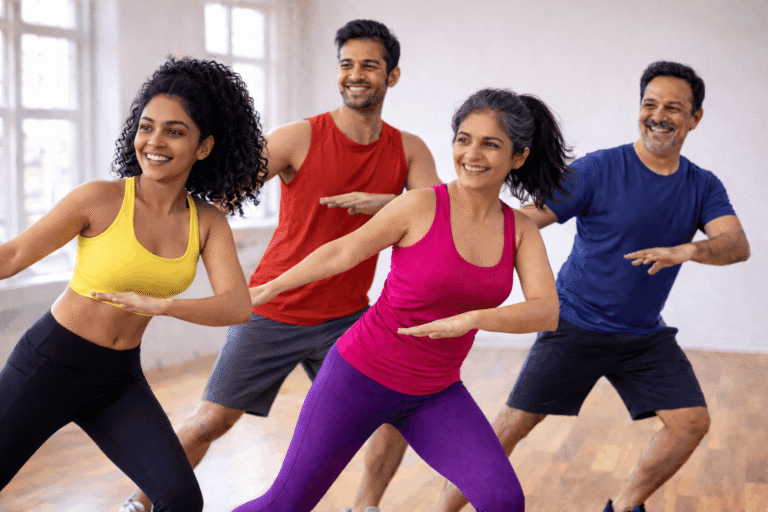
Walking into your first dance fitness class can feel exciting and intimidating at the same time. You hear the music pumping, people moving confidently, and the instructor already mid-routine. For beginners, the biggest fear isn’t the workout itself — it’s not knowing what’s about to happen.
That’s why understanding How Dance Fitness Classes Work before you step into the room can completely change your experience.
Dance fitness isn’t about perfection. It’s about rhythm, movement, and energy. Once you understand the structure, the music patterns, and how instructors guide you, the class becomes much easier to follow — and a lot more fun.
This guide breaks everything down in a simple way, so you know exactly what to expect.
Typical Dance Fitness Class Structure Explained
Most beginners assume dance fitness classes are random movements set to loud music. In reality, there’s a very intentional structure behind How Dance Fitness Classes Work, designed to help people of all levels keep up.
1. Warm-Up (5–10 Minutes)
Classes almost always start with a warm-up. This section uses slower movements and simpler steps to:
Wake up the joints
Increase blood flow
Introduce the rhythm for the class
You won’t be jumping or spinning right away. Instead, you’ll see gentle side steps, arm swings, and easy grooves that prepare your body.
Key Takeaway:
The warm-up is your time to settle in, observe the instructor, and get comfortable moving.
2. Main Workout Blocks (25–40 Minutes)
This is the heart of the class and where How Dance Fitness Classes Work really becomes clear.
The workout is usually broken into short dance segments, each tied to one song. Every song focuses on a specific intensity or movement style:
High-energy cardio tracks
Strength-based movements (squats, lunges)
Core-focused dance sequences
Rhythm or groove-based recovery songs
Each song follows a pattern:
Simple steps first
Gradual build-up
Repeated movements so your body learns naturally
You’re not expected to master everything instantly.
3. Cool-Down and Stretch (5–10 Minutes)
Classes end with slower music and stretching to:
Lower heart rate
Relax muscles
Improve flexibility
This part is calm, controlled, and grounding — a reminder that dance fitness isn’t just about burning calories, but also about body awareness.
Music Styles and Tempo Changes
Music plays a massive role in How Dance Fitness Classes Work. It’s not just background noise — it’s the guide.
Common Music Styles You’ll Hear
Pop and Top 40
Latin (reggaeton, salsa, merengue)
Hip-hop
Electronic dance music (EDM)
Afrobeats or global rhythms
Different styles bring different movement qualities, helping the class feel dynamic rather than repetitive.
Why Tempo Changes Matter
Tempo changes help manage energy levels:
Fast beats push cardio and excitement
Moderate beats allow recovery while still moving
Slow beats focus on control and balance
Pro Tip:
If you feel overwhelmed, follow the beat — not the steps. Staying on rhythm matters more than perfect moves.
How Instructors Cue Movement
One of the biggest reasons beginners struggle is misunderstanding how instructors communicate. Learning this is key to understanding How Dance Fitness Classes Work.
Visual Cues
Instructors exaggerate movements so you can:
See direction changes
Anticipate the next step
Follow timing
Most cues happen before the move changes.
Verbal Cues
You’ll hear phrases like:
“Last two!”
“Change!”
“Single, single, double!”
“Watch first!”
These cues are there to prepare you, not pressure you.
Counting vs Feeling
Some instructors count beats. Others rely on rhythm and feel. Both approaches work — and beginners can succeed with either.
Key Takeaway:
You don’t need to hear every cue. Just stay relaxed and keep moving.
Following Energy vs Leading Energy
Dance fitness isn’t a performance. Understanding energy flow is a major part of How Dance Fitness Classes Work.
Following Energy (Beginners)
As a beginner:
Follow the instructor
Copy nearby participants
Focus on movement, not intensity
This is normal and expected.
Leading Energy (Advanced Participants)
More experienced dancers:
Add personal flair
Increase movement range
Match energy rather than steps
You’ll grow into this naturally over time.
Group Classes vs At-Home Sessions
Both formats teach How Dance Fitness Classes Work, but they feel very different.
Group Classes
Pros:
High motivation
Instructor feedback
Community energy
Cons:
Can feel intimidating at first
At-Home Sessions
Pros:
Learn at your own pace
Pause or rewind
No pressure
Cons:
Less accountability
Lower energy levels
Comparison Table: Group vs At-Home Dance Fitness
| Feature | Group Classes | At-Home Sessions |
|---|---|---|
| Energy Level | High | Moderate |
| Learning Speed | Faster with cues | Self-paced |
| Motivation | Community driven | Self-driven |
| Instructor Feedback | Real-time | None |
| Comfort Level | Public | Private |
| Consistency | Scheduled | Flexible |
How to Keep Up Without Stressing
Many beginners quit because they think they’re “bad at it.” In reality, they just misunderstand How Dance Fitness Classes Work.
Focus on These Instead
Keep moving, even if it’s simplified
Stay on the beat
Smile and breathe
You’re not expected to memorize routines.
Common Mistake: Standing in the Back and Disengaging
Beginners often hide in the back, thinking it helps. It usually does the opposite.
Why Front Visibility Helps Learning
You see cues more clearly
You feel more connected
You stay engaged
Standing closer doesn’t mean being perfect — it means learning faster.
Understanding Progress in Dance Fitness
Progress in dance fitness looks different than traditional workouts.
You’ll notice:
Better coordination
Improved rhythm
Higher endurance
More confidence
This gradual growth is built into How Dance Fitness Classes Work — repetition and exposure create results.
Mental Benefits Beginners Often Miss
Dance fitness isn’t just physical.
It helps with:
Stress relief
Mood improvement
Self-expression
Body confidence
Once beginners understand How Dance Fitness Classes Work, they often realize the class is more about feeling good than looking good.
Key Takeaways for Beginners
You don’t need dance experience
Mistakes are expected
Repetition is intentional
Energy matters more than steps
Consistency beats perfection
Call to Action
Want the full beginner roadmap?
Start with the complete dance fitness guide and learn exactly how to build confidence, rhythm, and consistency from day one.







