

Introduction: The Question Every Runner Asks
Every runner asks this at some point:
Should I stick to roads, try trails, or run on mud?
Here’s the honest truth — no surface is “good” or “bad” by default.
Each one gives your body something different, and each one comes with risks if you don’t respect it.
The real secret to finding the Best running surface isn’t loyalty to one terrain. It’s understanding why you’re running, how your body responds, and what you want to improve. When you match surface, shoe, and pace to your purpose, you don’t just run more — you run smarter.
This guide breaks it down simply, using the same practical thinking runners use every day. By the end, you’ll know how to rotate surfaces and confidently choose the Best running surface for speed, strength, recovery, and long-term health.
🛣️ Road Running: Where Speed Lives
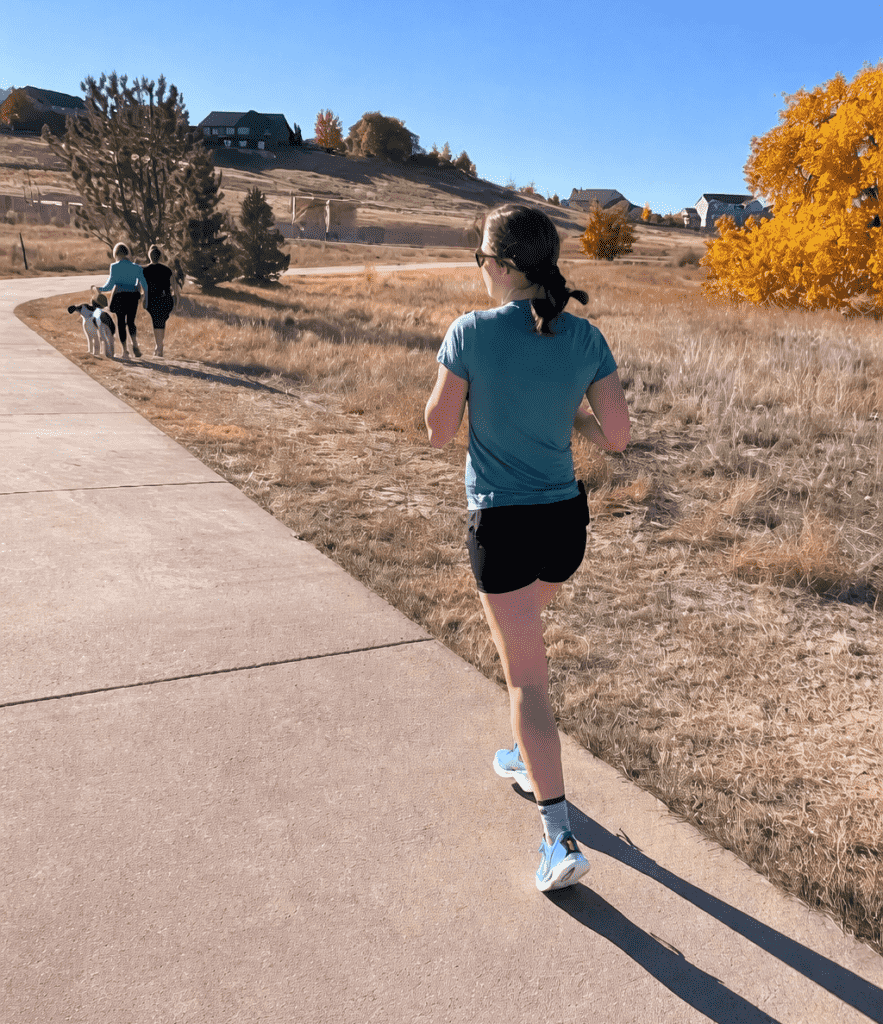
Roads are predictable. Flat. Smooth. Consistent.
That’s why roads are where speed lives.
If your goal involves race prep, tempo runs, intervals, or chasing personal records, roads often feel like the Best running surface. They let you lock into rhythm and pace without surprises underfoot.
Why Roads Feel Fast
Even surface = efficient energy return
Easier pace control with GPS and splits
Ideal for structured workouts
Closest simulation to road races
From a sports science angle, road running allows your muscles and tendons to recycle elastic energy efficiently. That’s great for performance — but it also increases repetitive impact.
The Trade-Off
Roads are unforgiving. Every foot strike sends force straight back through ankles, knees, hips, and lower back. Over time, this adds up.
That’s why shoe choice matters more on roads than anywhere else. Cushioning, fit, and timely replacement are non-negotiable if roads are your primary Best running surface.
Pro Tip
If roads are your main surface, rotate two pairs of shoes. This reduces repetitive stress and extends shoe life while keeping joints happier.
Common Mistake
Running all workouts on roads just because they’re convenient. Even the Best running surface for speed shouldn’t be the only surface you use.
🌲 Trail Running: Where Strength Is Built

Trails change everything.
They’re softer underfoot, kinder to joints, and wildly unpredictable. Roots, rocks, turns, and elevation force your body to adapt constantly. For many runners, trails become the Best running surface for building durable, real-world strength.
What Trails Do for Your Body
Activate stabilizer muscles
Improve balance and proprioception
Reduce repetitive joint impact
Build ankle and hip strength
Trail running shifts focus away from pace and toward movement quality. You stop chasing numbers and start feeling the run.
Mentally, trails also refresh motivation. Many runners fall back in love with running on trails — which alone can make them the Best running surface for consistency.
The Risk
Trails demand attention. Zoning out invites missteps, rolled ankles, or falls. Speed matters less here; awareness matters more.
Pro Tip
Shorten your stride and lift your gaze 3–5 steps ahead. Trails reward control, not aggression.
Key Takeaway
If roads build speed, trails build resilience. For many runners, that’s what makes trails the Best running surface during base training phases.
🌧️ Mud and Soft Ground: Where Control Is Tested
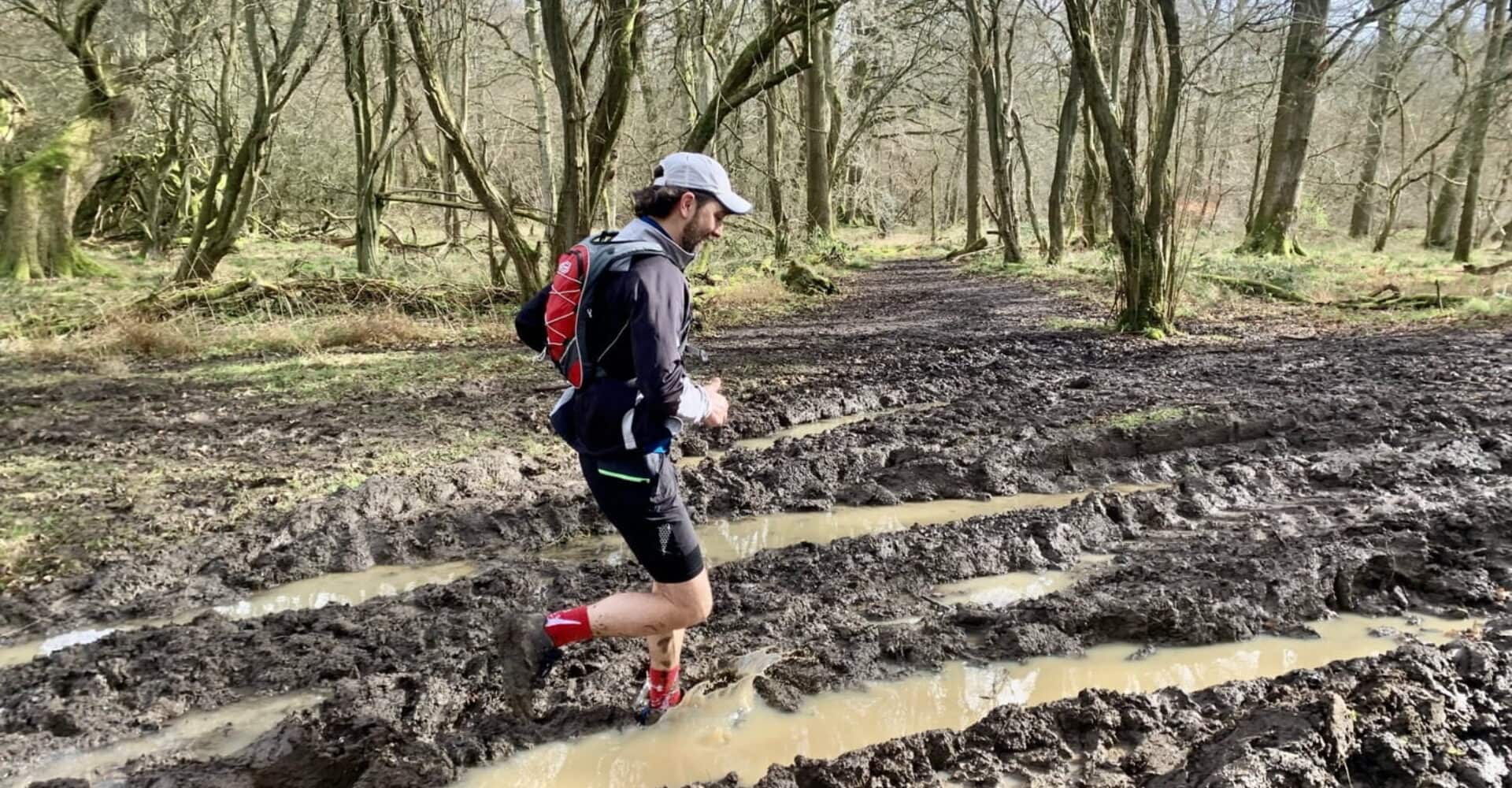
Mud has the lowest impact of all common running surfaces. That alone makes it tempting to label it the Best running surface for sore knees or recovery runs.
But mud demands respect.
Why Mud Is Unique
Extremely low joint impact
Forces slower, controlled movement
Strengthens feet and lower legs
Improves coordination
Running on mud strips ego away. You can’t rush. You can’t force pace. You must stay controlled, upright, and patient.
Where Runners Go Wrong
Mud punishes impatience. Slipping usually happens when runners try to maintain road pace on unstable ground.
Shorter runs, slower speeds, and proper grip are essential. When respected, mud can absolutely be the Best running surface for active recovery or off-season training.
Pro Tip
Use trail shoes with aggressive lugs and accept a slower pace. Mud training is about control, not speed.
f
Comparison Table: Roads vs Trails vs Mud
| Feature | Roads | Trails | Mud |
|---|---|---|---|
| Impact on joints | High | Medium | Low |
| Speed potential | Very high | Moderate | Low |
| Stability demand | Low | High | Very high |
| Injury risk | Overuse injuries | Ankle instability | Slips/falls |
| Mental engagement | Low–moderate | High | Very high |
| Shoe importance | Cushioning | Stability & grip | Aggressive traction |
| Best use case | Speed & races | Strength & variety | Recovery & control |
No single option wins outright. The Best running surface depends entirely on intent.
How to Choose the Best Running Surface for Your Goal
If Your Goal Is Speed
Roads are usually the Best running surface. Use them for intervals, tempo runs, and race simulation.
If Your Goal Is Strength and Injury Resistance
Trails often become the Best running surface. They strengthen muscles roads never touch.
If Your Goal Is Recovery or Joint Relief
Mud or soft ground may be the Best running surface, as long as you slow down and stay controlled.
If Your Goal Is Longevity
Rotation is the answer. The Best running surface is actually a mix.
Weekly Surface Rotation Example
Monday: Easy trail run (strength + recovery)
Wednesday: Road intervals (speed)
Friday: Mud or soft ground jog (low impact)
Sunday: Long run on mixed terrain
This approach keeps any single surface from overloading your body, while still letting each become the Best running surface for its purpose.
Key Takeaways
No surface is universally superior
Roads reward speed but punish repetition
Trails build strength and awareness
Mud demands control and patience
The Best running surface changes with your goal
Smart runners rotate, not specialize
Run fast on roads.
Run strong on trails.
Run controlled on mud.
Train smart. Run happy. Stay injury-free.
 Watch the Reel
Roads build speed, trails build strength, mud builds control. No surface is bad—match terrain, shoes, and pace to your goal, rotate smartly, and run happier, stronger, injury-free every single run.






