
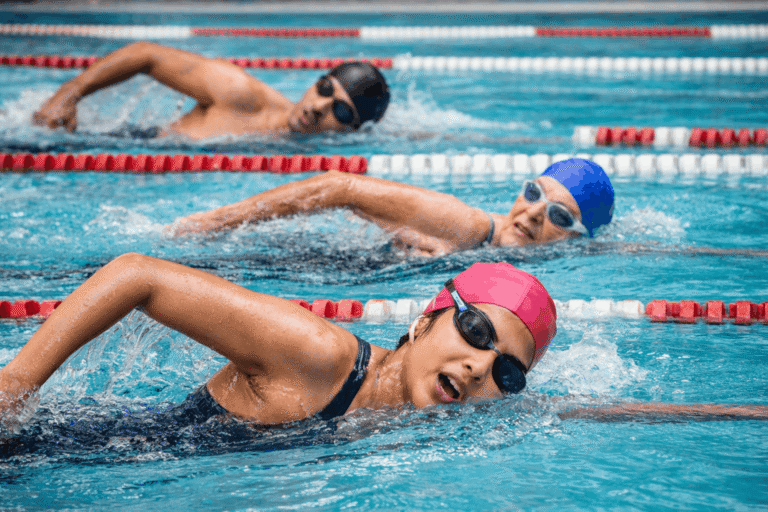
Swimming is one of the few activities that truly lasts a lifetime. Unlike many sports that become difficult with age due to joint stress or injury risk, swimming adapts naturally to the body’s changing needs. From energetic teenage competitors to seniors seeking gentle therapeutic movement, the pool offers benefits at every stage.
Swimming Across Life Stages isn’t just about continuing the same workouts for decades. Instead, it’s about adjusting training goals, intensity, and techniques to match the body’s capabilities and priorities as we age.
A teenager may focus on speed and competition, while adults often swim for fitness and stress relief. Older swimmers tend to emphasize joint protection and cardiovascular health. Seniors frequently rely on water for rehabilitation, mobility, and maintaining independence.
The beauty of Swimming Across Life Stages lies in its flexibility. With thoughtful adjustments, the sport can support physical health, mental well-being, and longevity.
The teenage years are often when swimmers develop the strongest technical foundation. During this stage, athletes typically train with teams, coaches, and structured programs.
Training emphasizes technique development, endurance building, and race strategy. Young swimmers are capable of handling higher training loads because their bodies recover quickly and adapt well to intense physical activity.
Typical teen training elements include:
Stroke technique refinement
Interval training for speed
Aerobic conditioning
Competitive race practice
Strength training for power
This stage is critical for learning efficient movement patterns in the water. Proper technique established during adolescence can last a lifetime.
However, balance is important. Teen swimmers often juggle school, competitions, and social life.
Focus heavily on technical skill development
Build aerobic endurance gradually
Avoid overtraining to reduce burnout
Learn multiple strokes for versatility
Develop healthy training habits early
Many young swimmers chase speed before mastering technique. Poor mechanics can limit long-term performance and increase injury risk.
For adults, swimming often shifts away from competition and toward health, stress relief, and time-efficient workouts.
Work schedules, family responsibilities, and busy lifestyles make shorter but effective workouts essential. Swimming provides a full-body exercise that improves cardiovascular health without pounding the joints.
Typical adult swimming goals include:
Maintaining cardiovascular fitness
Weight management
Stress reduction
Improving energy levels
Cross-training for other sports
A 30-minute swim session can deliver both aerobic conditioning and muscle engagement.
Many adults rediscover swimming after years away from the pool. Because of its low-impact nature, Swimming Across Life Stages allows individuals to return safely even after long breaks.
Use interval sets (for example: 10 × 50 meters with short rest) to maximize workout effectiveness when time is limited.
Prioritize consistency over intensity
Use swimming as cross-training
Include technique drills to prevent inefficiency
Mix endurance and speed sets
Schedule workouts realistically
As swimmers enter their 50s and beyond, training priorities begin to shift again. Maintaining health becomes more important than pushing maximum performance.
At this stage, swimming provides major benefits:
Reduced joint stress
Improved cardiovascular health
Muscle maintenance
Better mobility
Because water supports body weight, swimmers experience less impact compared to running or other land-based exercises.
Workouts may become slightly shorter or less intense, but they remain extremely valuable.
Many swimmers in this age group find they can train consistently with fewer injuries than other athletes their age.
Swimming Across Life Stages shows its greatest value here — offering an activity that promotes long-term health without excessive strain.
Add longer warm-ups and mobility exercises before intense swimming sets to reduce injury risk.
Focus on endurance and steady pacing
Prioritize joint-friendly strokes like freestyle or backstroke
Include flexibility and mobility work
Reduce high-intensity sprint sets if needed
Maintain consistent weekly swimming
Skipping warm-ups becomes more risky with age. Muscles and joints need more preparation before hard effort.
For seniors, swimming often becomes more than exercise—it becomes therapy.
Water provides gentle resistance while supporting body weight, making it ideal for people managing conditions such as:
Arthritis
Joint pain
Balance issues
Reduced mobility
Recovery from surgery
Therapeutic swimming and water aerobics help improve coordination, flexibility, and circulation.
Many seniors benefit from slower swimming sessions, focusing on controlled movement rather than speed.
Swimming Across Life Stages truly shines at this stage, allowing individuals to remain physically active even when other activities become difficult.
Use flotation devices, kickboards, or aqua belts to make swimming more comfortable and controlled.
Focus on gentle movement and flexibility
Prioritize balance and coordination exercises
Swim shorter sessions with adequate rest
Use supportive equipment if needed
Stay consistent with light activity
Intensity adjustments are the key to sustainable Swimming Across Life Stages. The same sport can support athletes across 60 or more years of life simply by adapting training goals.
Young swimmers may focus on speed and competition, while older swimmers emphasize endurance and mobility.
Below is a comparison of how swimming priorities change across age groups.
| Attribute | Teens | Adults (20s–40s) | 50+ Swimmers | Seniors |
|---|---|---|---|---|
| Primary Goal | Competition & skill | Fitness & stress relief | Longevity & joint health | Mobility & therapy |
| Training Intensity | High | Moderate to high | Moderate | Low to moderate |
| Workout Duration | 60–120 minutes | 30–60 minutes | 30–45 minutes | 20–40 minutes |
| Technique Focus | Very high | Moderate | Moderate | Light |
| Strength Training | Regular | Moderate | Light | Minimal |
| Recovery Needs | Fast recovery | Moderate | Increased recovery | High recovery needs |
| Injury Risk | Low | Moderate | Higher | Higher |
| Key Benefit | Performance | Health & efficiency | Longevity | Mobility |
This progression highlights how Swimming Across Life Stages allows individuals to adapt their approach while continuing to enjoy the water.
Few activities offer the adaptability and longevity of swimming.
Several characteristics make it ideal for lifelong fitness:
Low Impact – Water supports body weight and reduces joint stress.
Full-Body Workout – Nearly every major muscle group is engaged.
Cardiovascular Benefits – Swimming improves heart and lung function.
Flexibility and Mobility – Water resistance promotes joint movement.
Mental Health Support – Rhythmic breathing and movement reduce stress.
Because of these benefits, Swimming Across Life Stages becomes more than exercise—it becomes a sustainable lifestyle.
Swimming adapts easily to changing physical abilities
It offers cardiovascular fitness with minimal joint strain
Training goals naturally evolve with age
Consistency matters more than intensity
Yes, swimming is considered one of the safest forms of exercise for people of all ages. Because water supports body weight, it significantly reduces the risk of joint strain and injury. Children, adults, and seniors can all benefit from swimming when workouts are adjusted to their abilities and fitness levels.
Many swimmers begin structured training during their teenage years, typically between ages 12 and 16. This stage allows athletes to build strong technical skills and endurance while their bodies adapt well to physical conditioning. However, competitive training should still balance school, rest, and overall health.
Absolutely. Many people learn swimming in their 20s, 30s, or even later. Adult beginners often progress quickly because they can understand technique instructions more clearly. With consistent practice and proper guidance, swimming can become an effective lifelong fitness activity regardless of when someone starts.
For general health and fitness, adults should aim to swim 2–4 times per week. Sessions can range from 30 to 60 minutes depending on fitness levels. Consistency matters more than intensity, so regular moderate sessions often produce better results than occasional high-intensity workouts.
Yes, swimming is widely recommended for individuals with joint pain or arthritis. The buoyancy of water reduces pressure on joints while still allowing muscles to work against gentle resistance. This combination improves strength, flexibility, and circulation without causing excessive strain.
Older swimmers often benefit from modified training routines. Workouts may include longer warm-ups, reduced sprint intensity, and additional recovery time. The goal usually shifts toward maintaining mobility, cardiovascular health, and overall well-being rather than maximizing performance.
Freestyle and backstroke are generally considered the most joint-friendly strokes. They allow smooth body rotation and reduce strain on the knees and hips. Breaststroke can sometimes place stress on the knees, so swimmers with joint issues may need to modify or limit that stroke.
Yes. Water provides a safe environment for practicing controlled movements that strengthen stabilizing muscles. Swimming and aquatic exercises can improve coordination, posture, and balance, which may help reduce the risk of falls in older adults.
Intensity should gradually decrease as swimmers age, but activity levels should remain consistent. Younger swimmers may train with high-intensity intervals, while older swimmers may focus more on steady aerobic swimming and mobility exercises. Adjusting intensity helps maintain long-term health and enjoyment.

Every step forward deserves a high-five.✋
Address:
Plot 21 Krishnapuram Beside Income Tax Colony Rd No 10 Banjara Hills, Hyderabad, 500034, India
Write to us at:





