
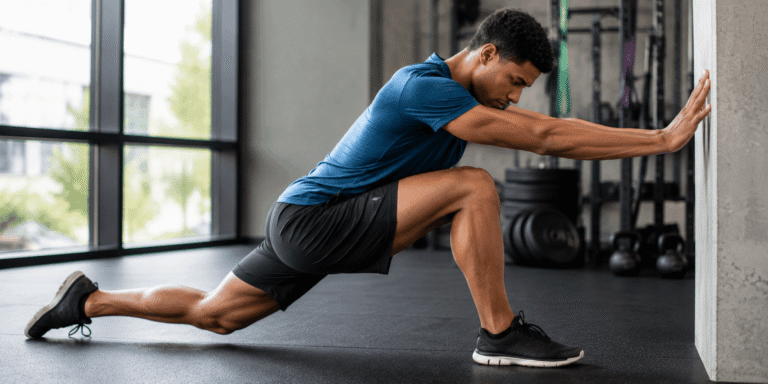
Ankle movement plays a major role in sports performance, yet many athletes ignore it until pain or stiffness appears. Whether you are a runner, basketball player, weightlifter, or soccer athlete, healthy ankles help the body move efficiently and safely.
Good ankle mobility allows smooth movement during walking, running, jumping, and squatting. Restricted ankles can affect posture, balance, and overall athletic performance. Many people focus on knees and hips while forgetting that the ankles are the foundation of movement.
Limited ankle motion often changes the way the body absorbs force. This can place extra stress on the knees, hips, and lower back. Athletes with stiff ankles may notice poor squat depth, reduced running efficiency, or difficulty changing direction quickly.
Adding regular Ankle Mobility Exercises into your training routine can improve movement quality, reduce stiffness, and support injury prevention. The best part is that these drills are simple and can be done almost anywhere.
This guide explains why ankle mobility matters, the most effective exercises, common mistakes, and how athletes can build a simple daily routine for long-term results.
Also Read : Hip Mobility for Runners
The ankles help transfer force between the ground and the rest of the body. Every step, jump, or sprint depends on proper ankle movement.
Improving Ankle Mobility Exercises routines can benefit both sports performance and daily movement.
During running, the ankles absorb impact every time the foot hits the ground. Limited ankle mobility reduces the body’s ability to distribute force properly.
This can lead to:
Athletes who regularly practice Ankle Mobility Exercises often experience smoother stride patterns and better running efficiency.
Ankle flexibility directly affects squat performance. If the ankles cannot move forward properly, the heels may rise during squats.
Good ankle mobility allows:
Weightlifters and gym athletes often include Ankle Mobility Exercises to improve lower-body mechanics.
Restricted ankle movement forces other joints to compensate. The knees and hips may absorb extra stress when the ankles cannot move efficiently.
Improving ankle function helps create better alignment throughout the lower body. This is one reason coaches recommend Ankle Mobility Exercises for injury prevention.
Healthy ankles improve balance, stability, movement efficiency, and overall athletic performance.
Many athletes do not realize they have ankle mobility limitations until movement problems appear.
Here are common signs that you may need more Ankle Mobility Exercises.
If your heels rise off the floor while squatting, restricted ankle movement may be the cause.
Limited ankle dorsiflexion often reduces squat depth and balance.
Weak or stiff ankles can increase instability during movement. Athletes with poor ankle control may experience repeated sprains.
Regular Ankle Mobility Exercises can improve joint control and movement quality.
Tight calf muscles often limit ankle movement. This stiffness can affect walking, running, and jumping performance.
Calf stretching combined with mobility work usually improves ankle function.
Restricted ankles may shorten stride length and affect posture during running.
Many runners notice smoother movement after consistently performing Ankle Mobility Exercises.
These exercises improve movement quality, flexibility, and ankle stability. Consistency is more important than intensity.
This is one of the best drills for improving ankle dorsiflexion.
This drill is commonly used in Ankle Mobility Exercises programs for runners and athletes.
Ankle circles improve joint movement and coordination.
This simple movement helps warm up the ankles before sports activities.
Tight calves can restrict ankle motion significantly.
This variation targets the deeper calf muscles that affect ankle mobility.
Stretching regularly improves the effectiveness of Ankle Mobility Exercises.
Resistance bands help improve joint movement and flexibility.
This drill is excellent for athletes who struggle with restricted movement during squats or running.
These exercises strengthen the muscles surrounding the ankles.
Adding strengthening work alongside Ankle Mobility Exercises helps improve joint stability.
Spend 5–10 minutes daily on ankle drills instead of doing one long session every week. Small consistent sessions produce better long-term mobility improvements.
Different sports demand different movement patterns, but nearly all athletes benefit from improved ankle mobility.
| Sport | Benefit of Better Ankle Mobility |
|---|---|
| Running | Improved stride mechanics |
| Basketball | Better landing control |
| Soccer | Faster direction changes |
| Weightlifting | Deeper squats |
| Tennis | Improved balance |
Runners rely heavily on ankle movement during every stride. Better mobility helps improve running economy and reduces stiffness during long runs.
Many runners add Ankle Mobility Exercises before training sessions as part of their warm-up routine.
Basketball players constantly jump, cut, and land. Strong mobile ankles help absorb force and improve balance after landing.
Quick direction changes require flexible and stable ankles. Soccer athletes often use Ankle Mobility Exercises to improve foot control and agility.
Restricted ankles often limit squat depth in lifters. Mobility drills can improve positioning during heavy lifts.
Tennis players need balance during rapid side-to-side movement. Healthy ankles improve movement control on the court.
Mobility and stability work together. Athletes need both for healthy movement.
Too much mobility without strength can create instability. Too much stiffness limits movement quality.
The goal of Ankle Mobility Exercises is not just flexibility. Athletes also need control throughout the movement range.
After mobility drills, adding strength exercises helps reinforce movement patterns.
Good exercises include:
This combination supports stronger and healthier ankles.
Some athletes only stretch but never strengthen the ankles afterward. This may improve flexibility temporarily without improving stability.
Many people perform mobility drills incorrectly or inconsistently.
Pushing aggressively into stretches may irritate the joint. Mobility improvements should happen gradually.
Controlled movement is more effective during Ankle Mobility Exercises.
The calf muscles strongly influence ankle movement. Ignoring calf stiffness often limits mobility progress.
Combining stretching with mobility drills usually produces better results.
One mobility session per week is rarely enough.
Daily practice of Ankle Mobility Exercises creates better long-term improvements than occasional intense sessions.
This routine can be added before workouts or during recovery sessions.
This increases blood flow before mobility work.
Perform:
Dynamic movements prepare the body for exercise.
Include:
These exercises improve ankle control and stability.
Finish with:
Recovery stretches help maintain movement quality after training.
The ankles may be small joints, but they have a massive impact on movement quality and athletic performance. Healthy ankle movement supports balance, coordination, running mechanics, and lower-body stability.
Many athletes focus on strength while ignoring mobility. However, tight ankles can affect everything from squats to sprinting technique. Adding regular Ankle Mobility Exercises into your routine can help improve performance while reducing injury risk.
The key is consistency. A few minutes each day can create noticeable improvements over time. Instead of waiting for stiffness or discomfort to appear, athletes should treat mobility work as part of regular performance training.
Better movement starts from the ground up, and strong mobile ankles provide the foundation for healthier and more efficient movement.
Most people notice small improvements within two to four weeks of regular practice. Daily mobility work combined with stretching and strengthening exercises usually produces the best long-term results. Consistency matters more than doing long sessions occasionally.
Yes. Restricted ankle movement can force the knees to compensate during walking, running, and squatting. Improving ankle mobility may reduce stress on the knees by improving alignment and movement efficiency.
Absolutely. Beginners often benefit greatly from mobility work because stiff ankles can affect basic movement patterns. Simple exercises like ankle circles and calf stretches are safe and effective for most people.
Light mobility drills can be done daily, especially before running sessions. Short daily sessions are often more effective than long weekly workouts because they maintain consistent movement quality.
Common causes include prolonged sitting, previous ankle injuries, lack of stretching, poor footwear choices, and repetitive movement patterns. Tight calf muscles are also a major factor in limited ankle mobility.
Yes. Better ankle dorsiflexion allows the knees to move forward more naturally during squats. This often improves balance and helps athletes achieve deeper squat positions safely.
Yes. Healthy ankle movement supports balance, walking efficiency, and fall prevention. Maintaining ankle mobility becomes increasingly important with age to support healthy movement patterns.
Some braces can temporarily limit ankle movement to provide support after injury. However, long-term reliance without proper rehabilitation may reduce natural ankle function over time.
Yes. Restricted ankles can change movement patterns throughout the body. This may affect posture, squat mechanics, and walking efficiency by forcing compensation in other joints.

Every step forward deserves a high-five.✋
Address:
Plot 21 Krishnapuram Beside Income Tax Colony Rd No 10 Banjara Hills, Hyderabad, 500034, India
Write to us at:





