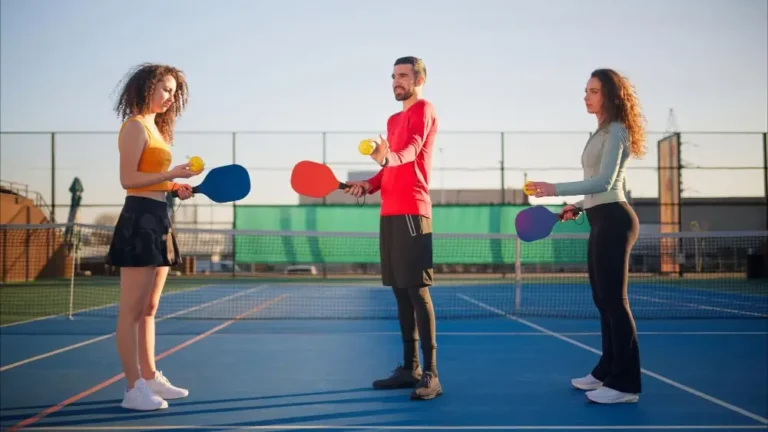
Pickleball is no longer a “hidden gem” sport. It’s one of the fastest-growing recreational games in the world, showing up in school gyms, community centers, and outdoor courts everywhere. If you’ve been curious but unsure where to begin, this Ultimate Beginner’s Guide to Pickleball is designed exactly for you.
This guide keeps things simple, practical, and beginner-friendly. No fluff, no over-complication—just everything you need to know to confidently step onto the court and start playing.
What Is Pickleball? (And Why It’s Booming)
What is Pickleball? a paddle sport that blends elements of tennis, badminton, and ping-pong. It’s played on a smaller court using solid paddles and a lightweight plastic ball with holes.
The game was created in the 1960s as a backyard family activity. Over time, its simplicity and social nature made it popular among older adults. Today, it’s exploded across all age groups, from kids to competitive athletes.
Why the boom?
-
Easy to learn in one session
-
Less strain on joints than tennis
-
Highly social and welcoming
-
Competitive depth for long-term growth
According to USA Pickleball, participation continues to grow every year, driven by local clubs and community courts.
Key Takeaway: Pickleball is beginner-friendly but not boring—you can start fast and still improve for years.
Pickleball vs Badminton vs Tennis
Many beginners wonder how pickleball compares to other racket sports. Here’s a quick breakdown.
Comparison Table: Pickleball vs Badminton vs Tennis
| Feature | Pickleball | Badminton | Tennis |
|---|---|---|---|
| Court Size | Small | Medium | Large |
| Equipment | Paddle + plastic ball | Racket + shuttlecock | Racket + tennis ball |
| Learning Curve | Very easy | Moderate | Steeper |
| Physical Impact | Low | Medium | High |
| Typical Rallies | Short–medium | Fast & short | Long & powerful |
| Social Play | Very high | Moderate | Moderate |
| Indoor/Outdoor | Both | Mostly indoor | Mostly outdoor |
Pickleball’s smaller court and slower ball make it far more approachable, especially for beginners.
Court Layout & Basic Pickleball Terminology
Before playing, it helps to understand how the court is set up and what common pickleball terms mean. This makes the rules much easier to follow once the game starts.
Court Basics
A pickleball court is small and easy to manage.
-
The court is the same size as a badminton court: 20 feet wide and 44 feet long
-
The net is lower than a tennis net
-
36 inches at the sides
-
34 inches in the center
-
-
Pickleball can be played as singles (1 vs 1) or doubles (2 vs 2)
Each side of the court includes:
-
A right service box
-
A left service box
-
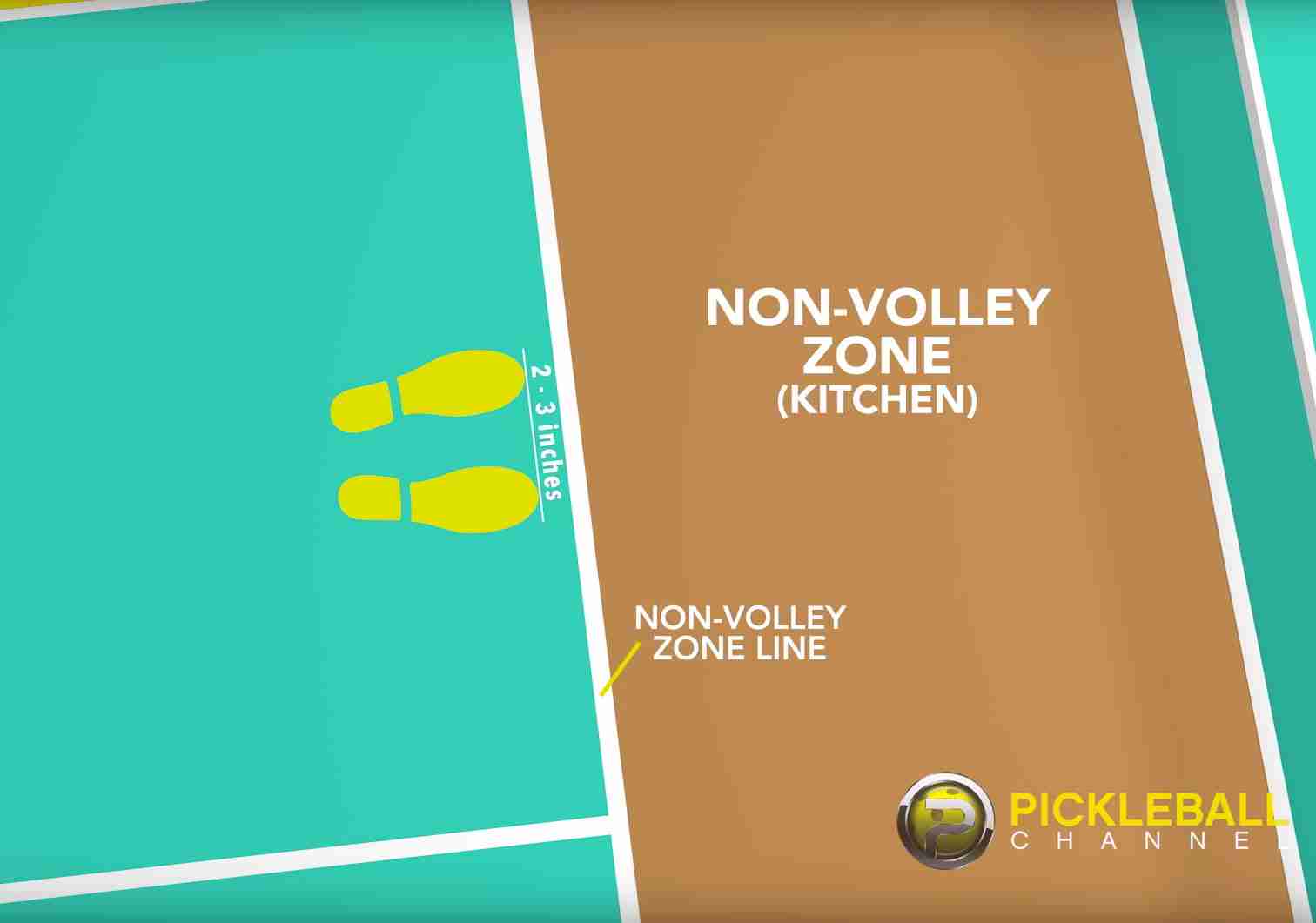
A kitchen (non-volley zone) close to the net
Key Terms Every Beginner Should Know
Volley: A volley is when you hit the ball out of the air before it bounces on the court. Simple example: If your opponent hits the ball and you hit it before it touches the ground, that’s a volley. If you wait for it to bounce and then hit it, that’s not a volley.Kitchen (Non-Volley Zone): The kitchen is the 7-foot area on both sides of the net. You cannot hit the ball out of the air while standing in this area or touching its line. You can enter the kitchen only after the ball bounces.
Dink: A dink is a soft shot that drops into the kitchen. This is a safe way to keep the ball in play instead of hitting hard shots.
Rally: A rally is when players hit the ball back and forth until someone makes a mistake or breaks a rule.
Serve: The serve starts every point. It must be hit underhand and land diagonally in the opposite service box.
Common Mistake: Many beginners step into the kitchen or touch the line while volleying. Even touching the line counts as a fault.
Pickleball Rules & Scoring (Beginner Version)
You don’t need to remember every rule to start playing. These are the rules beginners struggle with the most.
Serving Rules (Simple)
-
The serve must be underhand
-
The paddle must hit the ball below your waist
-
At least one foot stays behind the baseline
-
The ball must be served diagonally
-
The serve must clear the kitchen and land past it
Scoring Basics
-
Only the serving team can score
-
Games are usually played to 11 points
-
You must win by 2 points
In doubles:
-
Each player on a team gets a chance to serve
-
When both players lose their serve, the other team serves
The Double-Bounce Rule (Made Very Simple)
This rule applies only at the start of each point.
Here’s how it works:
-
Serve – The serving team hits the ball
-
First bounce – The receiving team must let it bounce
-
Second bounce – The serving team must let the return bounce
-
After that – Players can volley or let the ball bounce
👉 Serve → Bounce → Return → Bounce → Play normally
What This Means for Beginners
This rule slows the game down and stops players from rushing the net too quickly. This gives beginners more time to react and get comfortable during rallies.
Pro Tip:
If you’re ever unsure, remember: Both sides must let the ball bounce once before hitting it in the air.
Essential Pickleball Gear: What to Buy & What to Skip
Starting Pickleball Doesn’t Require Expensive Gear
One of the best things about pickleball is how easy it is to get started. You don’t need premium equipment or professional setups to enjoy the game or improve quickly. Simple, comfortable gear is more than enough for beginners.
Must-Have Gear
Paddle
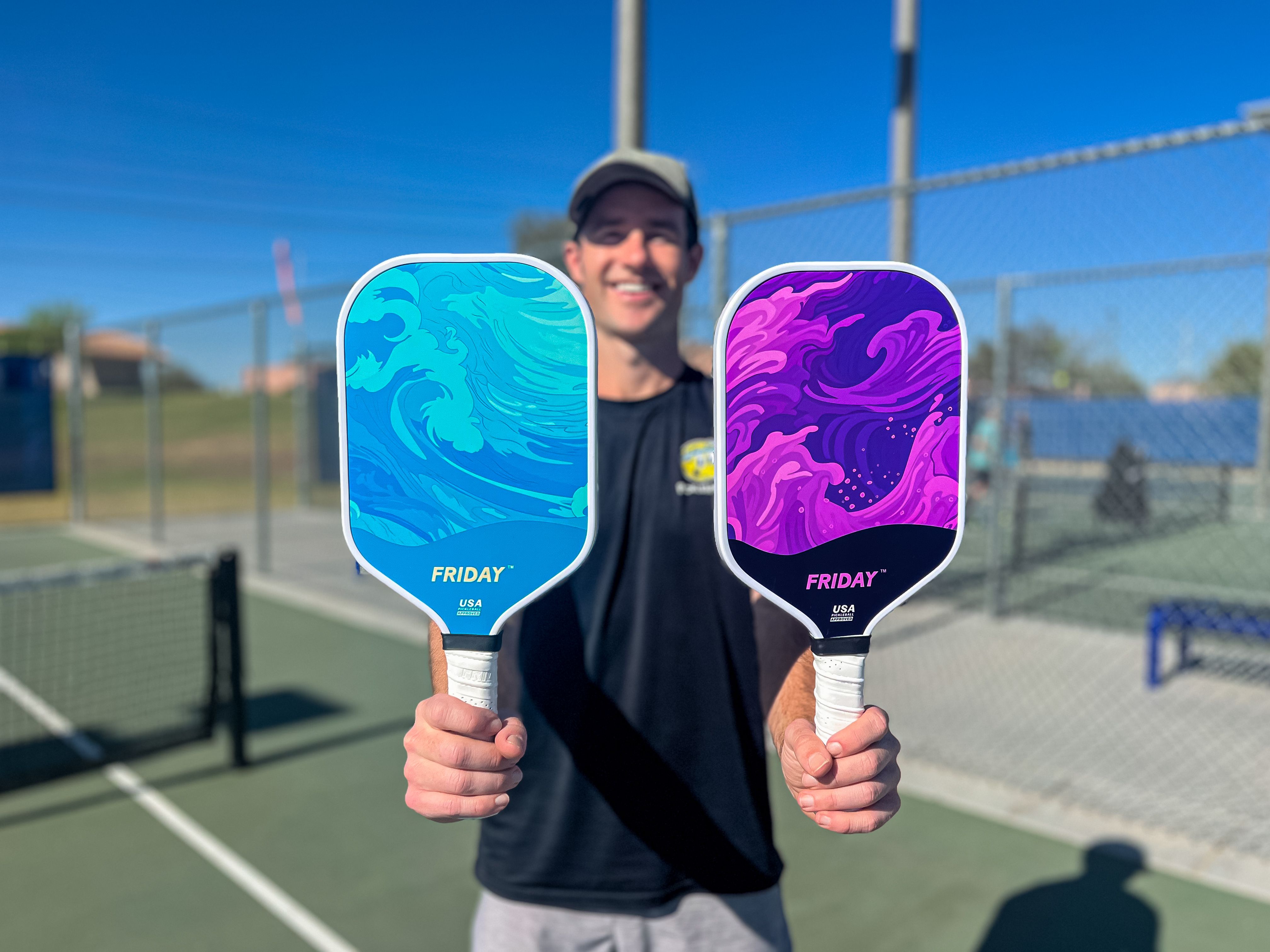
A composite or graphite paddle is ideal for beginners. These paddles offer a good balance of control, forgiveness, and lightweight feel, making it easier to learn proper technique. Heavier paddles can cause fatigue, while ultra-light paddles may reduce control early on.
Balls
Pickleball balls are designed differently for indoor and outdoor play.
-
Outdoor balls are heavier and have smaller holes to handle wind.
-
Indoor balls are lighter with larger holes for better control.
Using the correct ball helps rallies feel smoother and more predictable.
Court Shoes
Good court shoes are essential for safety. Tennis or pickleball-specific shoes provide lateral support, grip, and stability for quick side-to-side movements. Running shoes are not recommended because they lack side support and increase injury risk.
What You Can Skip (For Now)
High-End Paddles
Expensive paddles won’t automatically improve your game. Beginners benefit more from learning fundamentals than from advanced materials or technology.
Spin-Enhancing Surfaces
Spin comes from technique, not paddle texture. As a beginner, focusing on clean contact and control matters far more than generating spin.
Professional Accessories
Grip enhancers, vibration dampeners, and specialized bags are optional. You can add these later once you understand your preferences and playing style.
Key Takeaway
Comfort, control, and consistency matter far more than power when you’re starting pickleball. Choose simple, reliable gear that helps you move well, hit confidently, and enjoy learning the game without unnecessary expense.
Beginner Mistakes to Avoid
Even though pickleball is easy to learn, beginners often repeat the same errors. Many new players try to do too much too soon. Slowing down and focusing on a few fundamentals can make a big difference in overall performance and enjoyment.
Common Beginner Errors
Swinging too hard
Many beginners try to hit the ball as hard as possible. This often sends shots long or straight into the net. Controlled, smooth swings help keep the ball in play longer and lead to more consistent rallies.
Standing too far back
Staying near the baseline makes it harder to react quickly and control shots. As players gain confidence, moving closer to the kitchen line helps them stay more involved in points and improves shot selection.
Ignoring the kitchen rules
New players sometimes lose track of their position during volleys. Stepping into the kitchen—or even touching the line—while hitting the ball out of the air results in a fault, even if the shot lands in.
Trying to win every point
Consistency matters more than hitting winners, especially for beginners. Smart placement and patience usually outperform risky, high-power shots over the course of a game.
Common Mistake Callout:
Power is tempting—but control wins beginner games.
Who Is Pickleball For?
One reason this Ultimate Beginner’s Guide to Pickleball resonates with so many people is that the sport is intentionally welcoming. Pickleball brings together players of different ages, backgrounds, and skill levels, all enjoying the game side by side.
Pickleball Is Great For:
-
Seniors looking for joint-friendly, low-impact movement
-
Young adults who want a fun, social way to stay active
-
Former athletes who still enjoy competition without high physical strain
-
Complete beginners with little or no sports experience
You don’t need speed, strength, or an athletic background to enjoy pickleball. The rules naturally slow the game down, giving players time to react, learn, and improve at their own pace.
Key Takeaway:
Pickleball meets you where you are—physically and skill-wise.
Why Pickleball Is So Easy to Stick With
Pickleball isn’t just easy to start—it’s easy to keep playing. Beginners often rally quickly and grasp the flow of the game sooner than they expect.
Here’s why people stick with it:
-
Games are short and not overly exhausting
-
Improvement happens quickly and feels noticeable
-
The community is welcoming and supportive
-
Skill development feels rewarding without pressure
Many players experience early success in their very first session, which builds confidence and makes them excited to come back and play again.
Where to Play Pickleball Locally
New to pickleball? Start simple—find a local place to play and jump in. You don’t need to know everything before stepping onto the court. Showing up is the first and most important step.
Look for games at:
-
Community recreation centers
-
Public parks with pickleball-lined courts
-
Apartment or condo community courts
-
Neighborhood community centers or shared outdoor spaces
-
Beginner-friendly open play sessions
When you arrive, introduce yourself and let others know you’re new. Most players are welcoming and happy to explain the rules or offer a few helpful tips.
This Ultimate Beginner’s Guide to Pickleball is just the beginning.
The court is where the real learning—and fun—happens.