
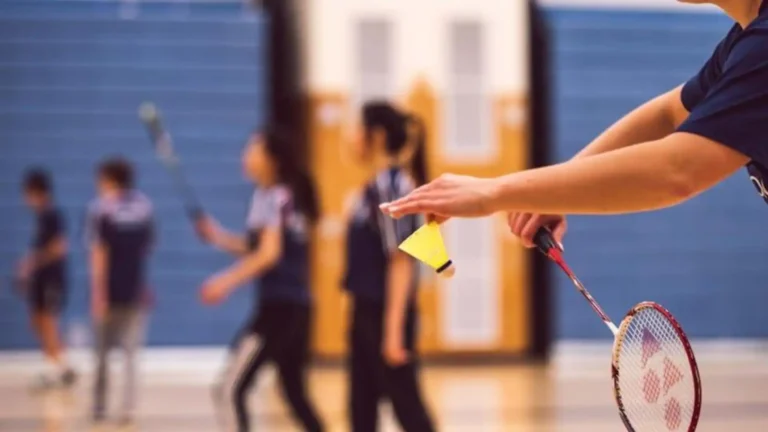
Introduction: Badminton, Without the Confusion
If you’ve ever watched a game of badminton and thought, “That looks fast, complicated, and way beyond me,” this article is for you. This guide is Badminton Explained Simply, without technical language, advanced tactics, or overwhelming rules.
Many people know badminton exists but don’t really understand how it works—or why so many beginners actually enjoy it faster than other sports. The goal here is clarity. By the end, you’ll know what badminton really is, how people play it casually, and why it’s far more approachable than it looks.
This article also acts as a stepping stone. If you decide you want to go deeper, there’s a complete beginner guide waiting for you at the end.
Badminton Explained Simply: What the Game Really Is
At its most basic level, badminton is a game where:
You use a racket
You hit a shuttlecock
You try to land it in your opponent’s court
That’s it.
You don’t need advanced strategy, elite fitness, or perfect technique to start. Badminton explained simply is just a back-and-forth rally over a net, played either one-on-one or in pairs.
Unlike many sports, you can have fun before you understand everything. That’s a big reason beginners stick with badminton.
What Makes Badminton Different From Tennis and Squash
Many beginners assume badminton is “basically tennis indoors.” It’s not.
The Shuttlecock Changes Everything
The shuttlecock:
Slows down quickly
Drops steeply
Reacts more to touch than power
This makes badminton more about control and timing than strength.
Why This Helps Beginners
In tennis or squash, balls bounce, roll, and shoot off walls. In badminton, once the shuttle drops, the rally ends. This makes outcomes clearer and learning faster.
Badminton explained simply: you see immediately why you won or lost the point.
Why Beginners Often Enjoy Badminton Faster
This surprises a lot of people.
You Can Rally Sooner
In badminton, beginners can start short rallies within minutes. The shuttle stays in the air longer than a ball, giving you time to react.
You Don’t Need Power
Smaller players, kids, and older adults can all compete together. Good placement beats brute force.
Progress Feels Obvious
Each session feels better than the last. Timing improves. Shots land in. Confidence grows.
Key Takeaway
Badminton explained simply is a sport where early wins happen fast, which keeps beginners motivated.
Who Typically Plays Badminton
One of badminton’s biggest strengths is who it works for.
Kids
Builds coordination
Teaches movement skills
Easy to adapt with lighter rackets
Adults
Great cardio without long runs
Social and competitive options
Indoor convenience
Seniors
Low-impact when played casually
Improves balance and reaction time
Scales to comfort level
Badminton explained simply: it’s not age-specific. You play at your speed.
What a Casual Badminton Game Looks Like
Forget professional matches for a moment. A casual game usually means:
Friendly rallies
Missed shots
Laughter
Short breaks between points
Most casual games don’t involve intense smashes or nonstop movement. People rotate players, adjust rules, and focus on enjoyment.
How Long Games Last
Casual games might last 10–15 minutes or stop whenever players feel tired.
What People Wear
Athletic clothes
Court shoes or trainers
No special uniform needed
Singles vs Doubles in Real Life
This is where badminton explained simply really matters.
Singles
One player per side
More movement
Slower pace for beginners than you’d expect
Doubles
Two players per side
Less court to cover
More social and forgiving
Pro Tip
Most beginners enjoy doubles first. You move less, learn positioning faster, and feel less pressure.
Beginner Fears (And Why They’re Overblown)
“The Game Is Too Fast”
Yes, advanced badminton is fast. Beginner badminton is not. Speed increases naturally as skills improve.
“I Don’t Have Good Coordination”
Badminton actually builds coordination. You don’t need it upfront.
“The Rules Are Confusing”
You can start playing before knowing all the rules. Most casual games simplify things early.
Badminton explained simply means learning by doing, not memorizing.
How Points and Serving Feel in Casual Play
In friendly games:
Someone serves
A rally happens
Someone wins the point
You don’t need to track every technical detail. Most groups use rally scoring and adjust as needed.
Switching Sides
Casual players often ignore side switching altogether—and that’s fine.
Why Badminton Feels Less Intimidating Than Other Sports
Many sports punish beginners early. Badminton doesn’t.
Missed shots end quickly
Points reset fast
No long chases or collisions
You’re never “stuck” being bad for long.
Common Beginner Misunderstandings
Thinking You Need Expensive Gear
You don’t. Any basic racket works at first.
Believing Smashing Is the Goal
Control shots matter far more early on.
Assuming Everyone Else Is Better
Most people you’ll play with are also learning.
How Badminton Naturally Builds Fitness
Without realizing it, beginners improve:
Cardiovascular endurance
Agility
Balance
Reaction speed
Because rallies are short, fatigue builds gradually instead of all at once.
Why Badminton Is Easy to Start but Hard to Master
This balance is what keeps players coming back.
Easy entry
Clear progress
Endless improvement potential
Badminton explained simply is friendly at the door and deep once you’re inside.
Is Badminton Competitive or Just for Fun?
Badminton works at both ends of the spectrum. Many people play purely for fun, meeting once a week to rally, move a bit, and socialize. Others enjoy the challenge and gradually step into leagues or local tournaments. Some even balance both—casual games during the week and competitive matches when they feel ready.
The key point is choice. You decide how serious you want it to be. Badminton easily adapts to your goals, not the other way around.
How Most People Actually Get Into Badminton
Most people don’t discover badminton through serious training or coaching programs. It usually starts casually.
Many are introduced during school gym classes, where the game feels fun and low-pressure. Others find it at community centers or local sports halls offering open play sessions. A very common entry point is simply friends inviting friends—someone brings a racket, a shuttle, and says, “Let’s try this.” Over time, some players look for more regular play and join recreational clubs, which are welcoming and beginner-friendly.
Very few people start with formal coaching, and that’s completely fine. Badminton is a sport you can ease into naturally, learning as you go.
What You Don’t Need to Worry About Yet
If you’re new, it’s easy to think you need to “get everything right” from day one. You don’t.
You don’t need advanced techniques like deception, jump smashes, or spinning net shots. Those come much later, once your timing and confidence are solid.
You don’t need perfect footwork either. Moving naturally and staying balanced is enough in the beginning. Clean, efficient footwork develops over time as you play more.
You don’t need to think about match strategy. Early on, the goal isn’t outsmarting an opponent—it’s simply keeping the rally going and getting comfortable on court.
And you definitely don’t need equipment upgrades. Expensive rackets and custom strings won’t help until your basics are consistent.
For now, the best approach is simple: hit the shuttle, move a little, laugh at mistakes, and enjoy the game. Everything else comes later.
Key Takeaways
Badminton is simple at its core
Beginners enjoy it faster than many sports
Casual play is relaxed and social
Skill grows naturally with time
CTA
👉 Ready to learn the basics? Read the complete beginner badminton guide.
This article showed Badminton Explained Simply—what it feels like, who it’s for, and why it works. If you want rules, courts, scoring, and gear explained step by step, the full beginner guide is your next stop.







