
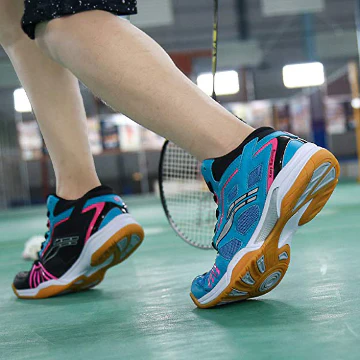
Badminton looks fast, light, and effortless when you watch professionals play. But once you step onto the court yourself, you quickly realize how demanding the sport really is. Constant lunges, quick direction changes, jumps, and sudden stops put serious stress on your feet, ankles, and knees.
Among all badminton gear, badminton shoes are one of the most important investments you can make.
Many players struggle with basic questions:
What shoes should I use for badminton?
Can I wear regular sports or running shoes?
How much grip do I really need?
What makes badminton shoes different?
How do I avoid foot pain and injuries?
This guide answers all of these questions in a simple, practical way. Whether you are a beginner, a casual club player, or someone training seriously, this article will help you understand how to choose the right badminton shoes, what features matter most, and how to avoid common mistakes that hurt performance and confidence.
Before diving into soles, cushioning, and fit, it’s important to understand why badminton shoes are designed differently from other sports footwear.
Badminton shoes are made to:
Support fast lateral (side-to-side) movement
Provide strong grip on indoor courts
Absorb impact from jumps and lunges
Keep the foot stable during sudden stops
Stay lightweight for quick reactions
Unlike running shoes, which are built for forward motion, badminton shoes focus on multi-directional movement and court control.
Badminton shoes are designed specifically for indoor courts and rapid direction changes, not straight-line running.
Let’s answer the most common question directly.
You should use badminton shoes that are:
Designed for indoor courts
Lightweight but stable
Equipped with non-marking rubber soles
Supportive around the heel and sides
Comfortable during quick movements
The best badminton shoes are the ones that make you feel confident changing direction without slipping or losing balance.
Many beginners make the mistake of using running shoes or casual trainers. These may feel comfortable at first, but they lack the grip and lateral support required for badminton.
While all badminton shoes share common features, they can still be categorized based on playing style and construction.
These focus on agility and fast movement. They are popular among attacking players and doubles specialists.
These offer extra side support and a stronger heel structure. Ideal for beginners and players who want injury protection.
Designed for players who play long sessions and want shock absorption to reduce foot fatigue.
| Feature | Lightweight Shoes | Stability Shoes | Cushioned Shoes |
|---|---|---|---|
| Weight | Very Light | Medium | Medium-Heavy |
| Grip | High | Very High | High |
| Lateral Support | Medium | Very High | Medium |
| Cushioning | Medium | Medium | High |
| Best For | Fast attackers | Beginners & safety | Long sessions |
If there is one feature you should never compromise on, it is the sole.
Badminton shoes must have non-marking soles. These provide excellent grip without leaving marks on indoor courts.
Good badminton shoes allow you to:
Stop instantly
Push off quickly
Change direction without slipping
If a shoe slides even slightly on a dry court, it is not suitable for badminton.
Badminton involves constant jumping and lunging. Without proper cushioning, this impact transfers directly to your joints.
Reduces stress on knees and ankles
Prevents heel pain
Improves comfort during long matches
Most badminton shoes use EVA foam or similar materials in the midsole to absorb shock.
Choosing extremely thin shoes for “court feel” without cushioning often leads to foot pain over time.
Fit can make or break your experience.
Your toes should have slight room to move, but not slide forward.
The heel should feel locked in. Heel slipping is a sign of poor fit.
Badminton shoes come in different widths. A shoe that is too narrow can cause blisters, while a wide shoe reduces control.
Badminton shoes should feel snug, secure, and stable without squeezing your feet.
Badminton is an intense indoor sport. Sweaty feet can lead to discomfort and slipping inside the shoe.
Mesh uppers for airflow
Synthetic overlays for support
Moisture-resistant inner lining
Breathable badminton shoes keep your feet cooler and reduce odor buildup.
Lighter shoes help you move faster, but extremely light shoes may sacrifice support.
Beginners should prioritize stability over weight
Advanced players may prefer lighter badminton shoes for speed
If you feel unstable during lunges, choose slightly heavier shoes with better support.
This comparison is crucial for beginners.
| Feature | Badminton Shoes | Running Shoes |
|---|---|---|
| Movement Type | Multi-directional | Forward motion |
| Sole Grip | Flat, high-grip | Curved, lower grip |
| Lateral Support | High | Low |
| Court Safety | Excellent | Risky |
| Injury Risk | Low | Higher for badminton |
Running shoes are not designed for badminton and increase the risk of slipping and ankle injuries.
Focus on comfort and stability
Moderate cushioning
Secure heel support
Balance between speed and support
Improved grip
Lightweight feel
Shoes that match playing style
Precision grip
Responsive cushioning
Buying running or casual shoes
Ignoring grip quality
Choosing style over comfort
Buying shoes too big “to grow into”
Always try badminton shoes with sports socks and test side movements before buying.
On average:
Casual players: 8–12 months
Regular players: 6–8 months
Competitive players: 3–6 months
Signs you need new badminton shoes:
Reduced grip
Uneven sole wear
Heel instability
Increased foot pain
Badminton shoes are essential for safety and performance
Grip and lateral support matter more than looks
Proper fit prevents injuries and improves confidence
Cushioning helps with long sessions
Choosing the right badminton shoes is about more than just footwear. It’s about comfort, safety, performance, and confidence on the court. Once you understand grip, fit, cushioning, and support, selecting the right badminton shoes becomes simple.
The right pair protects your body, improves your movement, and allows you to enjoy the game without distraction. When your feet feel secure, your game naturally improves — and badminton becomes more fun, competitive, and rewarding.
Also Read
Beginners should choose badminton shoes with strong grip, good cushioning, and stable heel support. Avoid lightweight models meant for advanced players. Comfort and injury prevention should come first, especially while learning movement and footwork basics.
Running shoes are designed for forward motion and lack lateral support. Using them for badminton increases the risk of ankle injuries and slipping on indoor courts. Dedicated badminton shoes are strongly recommended.
Badminton shoes should fit snugly without squeezing. Your heel should stay in place, and your toes should have slight room to move. Shoes that are too loose reduce control, while tight shoes cause discomfort.
Yes. Proper badminton shoes improve grip, stability, and confidence during fast movements. This allows you to focus on shots and footwork instead of worrying about slipping or pain.
Non-marking rubber soles are best. They provide excellent grip on indoor courts and protect the playing surface. Avoid hard or outdoor soles.
Higher-priced badminton shoes often offer better materials, durability, and support. However, beginners can find excellent mid-range options that provide all essential features.
If you notice reduced grip, uneven wear, heel instability, or new foot pain, it’s time to replace your badminton shoes.
Lightweight shoes help speed, but not at the cost of support. Beginners should prioritize stability first, then consider lighter options as skill improves.
Yes, when properly fitted. They reduce slipping, support lateral movement, and absorb impact, lowering the risk of ankle and knee injuries.
Badminton shoes can be used for similar indoor sports like squash or volleyball, but they are specifically optimized for badminton footwork and court movement.

Every step forward deserves a high-five.✋
Address:
Plot 21 Krishnapuram Beside Income Tax Colony Rd No 10 Banjara Hills, Hyderabad, 500034, India
Write to us at:





