
Introduction: Trend or Tool?
You’ve probably seen them everywhere.
Knee-high socks Tight calf sleeves. Runners wearing them during marathons, long runs, and even while traveling after races. And at some point, the question pops up:
Do compression sleeves for running actually help, or are they just a trend?
If you’re wondering whether you should be wearing them too, you’re not alone. This blog breaks it down in a simple, honest way—no hype, no marketing fluff. Just real-world use and what science actually says about compression sleeves for running.
What Are Compression Sleeves for Running? (Simple Explanation)
Let’s keep this very clear.
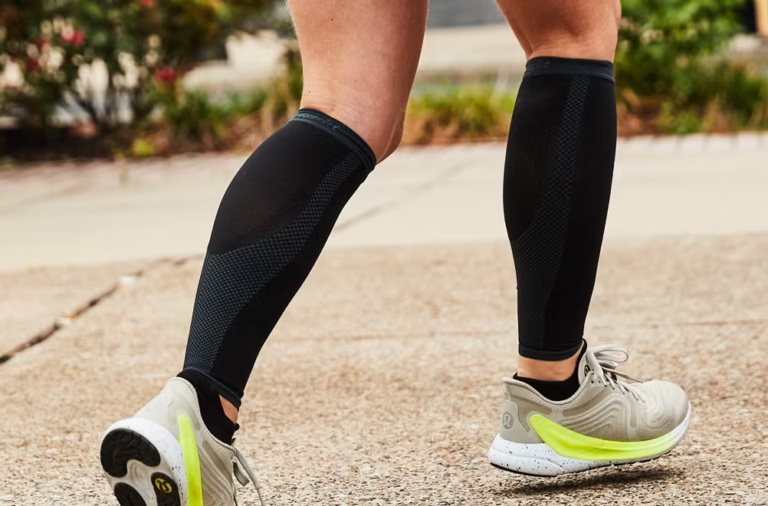
Compression sleeves for running are tight, elastic garments worn around the calf (sometimes as full socks covering the foot). They apply gentle, graduated pressure to the lower leg.
That pressure is designed to:
Improve blood circulation
Reduce muscle vibration
Limit swelling and fluid buildup
They don’t add power. They don’t change your fitness. They support what your body is already doing.
That distinction matters when understanding compression sleeves for running.
Why Runners Started Using Compression Sleeves
Originally, compression gear was used in medical settings for circulation issues. Over time, athletes—especially endurance runners—started using compression sleeves for running because long hours on feet often lead to:
Heavy legs
Swelling
Calf tightness
Post-run soreness
Runners weren’t looking to get faster instantly. They were looking to feel better during and after long efforts.
What Science Says About Compression Sleeves for Running
This is where things get interesting.
Research from journals like British Journal of Sports Medicine and Journal of Strength and Conditioning Research has studied compression gear closely.
Here’s what studies consistently show:
✔️ Compression sleeves for running do NOT directly improve speed or performance
✔️ They do help reduce perceived muscle soreness
✔️ They can reduce post-run swelling
✔️ They support recovery by improving circulation
So if you’re expecting compression sleeves to magically make you faster—no.
If you want help feeling less beaten up—yes.
Do Compression Sleeves Improve Performance?
Short answer: No, not directly.
Most research agrees that compression sleeves for running do not significantly improve:
Race times
VO₂ max
Running economy
However, there’s an indirect benefit many runners experience:
Legs feel fresher
Less muscle vibration
More confidence during long runs
That mental and comfort factor is real, even if the stopwatch doesn’t show it.
How Compression Sleeves Support Recovery
This is where compression sleeves for running truly shine.
After a long or hard run, your legs experience:
Micro muscle damage
Inflammation
Fluid pooling
Compression helps:
Improve venous blood return
Reduce swelling
Speed up removal of metabolic waste
Many runners feel less stiffness the next day when they use compression sleeves for running after workouts.
Key Takeaway
Compression sleeves are a recovery tool first, performance tool second.
When Compression Sleeves for Running Make Sense
Compression sleeves aren’t for every run. But they’re very useful in specific situations.
Best Times to Use Compression Sleeves for Running
Long runs
Marathon or ultra distances
Back-to-back training days
Post-run recovery
Travel after races (especially long flights)
If you’re prone to calf tightness or shin splints
In these cases, compression sleeves for running provide noticeable comfort and support.
When You Can Skip Compression Sleeves
Compression is optional—not mandatory.
You probably don’t need compression sleeves for running if:
You’re doing short, easy runs
You’ve never experienced swelling or calf issues
You’re wearing them only to “run faster”
They won’t hurt you, but they may not add value in these scenarios.
Compression Sleeves vs Compression Socks
This is a common confusion.
Compression Sleeves
Cover calf only
Can be worn with any socks
Great for runners who want flexibility
Compression Socks
Cover foot + calf
Provide foot support as well
Useful for long races and travel
Both fall under the umbrella of compression sleeves for running, and both work similarly. Choice comes down to comfort and preference.
Do Compression Sleeves Help Prevent Injuries?
This is a tricky topic.
Compression sleeves for running do not prevent injuries directly. They won’t fix poor training, weak muscles, or bad recovery habits.
However, they can help by:
Reducing muscle vibration
Improving proprioception (body awareness)
Supporting tired muscles
For runners prone to calf strains or shin splints, compression sleeves for running may provide supportive comfort—but they’re not a cure.
Using Compression Sleeves During vs After Running
Many runners ask: Should I wear them while running or only after?
During Running
Useful for long distances
Helps with muscle stability
Can reduce perceived fatigue
After Running
Best for recovery
Reduces swelling
Helps legs feel fresher next day
If you had to choose one, post-run use of compression sleeves for running offers the most consistent benefits.
Common Mistakes Runners Make with Compression Sleeves
Compression works only when used correctly.
Common Mistakes
Wearing the wrong size
Expecting performance boosts
Wearing them on every run
Using them instead of proper recovery
Key Takeaway
Compression sleeves for running support good habits—they don’t replace them.
How to Choose the Right Compression Sleeves
If you decide to try them, choose wisely.
Look for:
Proper sizing (not too tight)
Breathable fabric
Graduated compression
Comfortable seams
Poorly fitted compression sleeves for running can cause discomfort instead of relief.
Comparison Table: Compression Sleeves—Helpful or Not?
| Situation | Helpful | Why |
|---|---|---|
| Long runs | ✅ Yes | Reduces fatigue & swelling |
| Recovery | ✅ Yes | Improves circulation |
| Short easy runs | ❌ Not needed | Limited benefit |
| Injury prevention | ⚠️ Limited | Support only |
| Performance boost | ❌ No | No speed increase |
| Travel post-race | ✅ Yes | Prevents leg swelling |
This table makes it clear where compression sleeves for running actually help.
Are Compression Sleeves Worth Trying?
Yes—but with realistic expectations.
Compression sleeves for running:
Won’t make you faster
Won’t replace training or sleep
Can improve comfort and recovery
Some runners love them. Some feel no difference. Both experiences are valid.
Final Word: Compression Is Personal
There’s no one-size-fits-all answer.
Compression sleeves for running are not magic. But they are a useful support and recovery tool, especially when paired with:
Smart training
Proper nutrition
Quality sleep
Try them. Use them thoughtfully. Keep what works, drop what doesn’t.
Because recovery is personal. 🏃♂️💪
 Watch the Reel
Compression sleeves won’t make you faster, but they can reduce soreness, swelling, and fatigue. Use them for long runs, recovery, or travel—and skip them for short, easy runs.







