
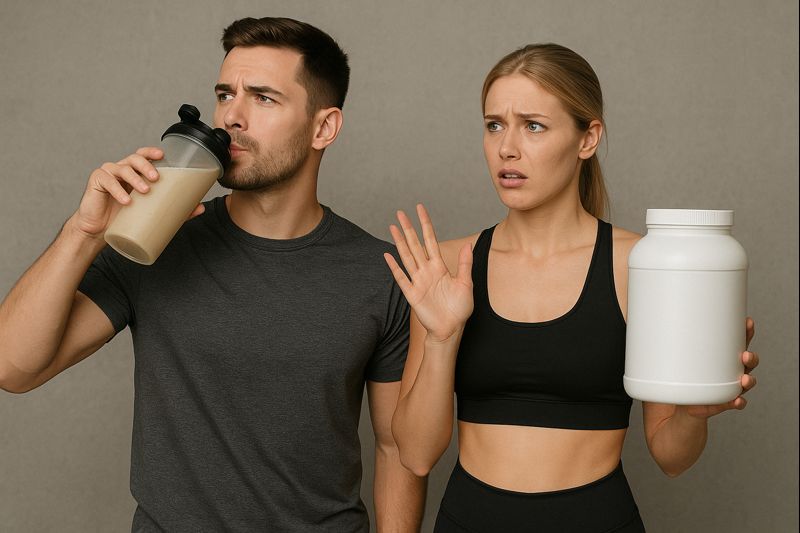
Walk into any gym, and you’ll hear the shake of a protein bottle long before the first dumbbell hits the floor. Protein supplements are everywhere — from gym bags and office desks to marathon training plans and late-night recovery routines. Yet despite their popularity, one question refuses to disappear:
“Is protein powder bad for your health?”
It’s one of the most common concerns people express when starting their fitness journey, changing their diet, or increasing their training volume. Some believe protein powder is unsafe. Others think it’s unnatural. Many feel intimidated by the idea of supplements altogether.
So today, we’re diving into a Fitness Myth Busted breakdown to separate science from scare tactics, facts from fear, and truth from gym-floor gossip.
Let’s dismantle the myth — clearly and simply.
❌ The Myth: Protein Powders Are Harmful or Unnatural
A lot of the fear surrounding protein supplements comes from misunderstanding, marketing confusion, or outdated beliefs. Some of the most common misconceptions include:
“Protein powders are full of chemicals.”
“Supplements damage your kidneys or liver.”
“Only bodybuilders should use protein powder.”
“Real fitness people get protein from food, not tubs.”
“Protein powder is the lazy way out.”
But here’s where the Fitness Myth Busted approach begins: none of these ideas hold up under scientific scrutiny.
Let’s address them directly.
Myth 1: Protein powders are chemical-filled and unnatural
Most high-quality protein powders come from the same foods we already eat:
Whey → extracted from milk
Casein → also derived from milk
Pea, soy, or rice protein → made from legumes or grains
Egg white protein → literally just eggs, processed into powder
These are simply concentrated forms of natural foods, with added flavors or sweeteners.
Myth 2: Protein damages the kidneys
This fear originated from older studies on people with preexisting kidney disease.
For healthy individuals, research repeatedly shows that:
High-protein diets do not damage kidneys
Protein supplements do not impair liver function
Active individuals actually benefit from higher protein intake
Myth 3: Only bodybuilders need protein powder
Wrong — protein supports anyone who moves their body:
Runners
Cyclists
Yogis
Busy professionals
Students
Older adults
Vegans & vegetarians
Protein aids tissue repair, hormone balance, muscle health, and metabolic regulation.
Common Mistake
Confusing supplements with steroids — two completely unrelated things. Many beginners fear protein due to misinformation.
✅ The Truth: Protein Powder Is Safe — When Used Right
So, is protein powder bad for your health?
Short answer: No — not when chosen and consumed properly.
Protein powders are one of the most researched supplements on the planet, and the evidence overwhelmingly supports their safety for healthy individuals.
Here’s what protein powder actually is:
A convenient, fast-digesting protein source
A way to fill nutritional gaps
A supplement, not a substitute
A useful tool for athletes and busy people alike
Why Protein Powder Is Safe
Most powders today undergo:
Filtration
Heat processing
Testing for purity
Microbial safety checks
Label transparency (especially third-party tested brands)
If someone is healthy, moderate use of protein powder is not only safe — it can be beneficial.
Pro Tip
Look for labels such as NSF Certified for Sport, Informed Choice, or LabDoor Tested. They help separate clean products from low-quality ones.
🧠 Think of Protein Powder as a Convenience Tool
Food should always come first — whole, natural, nutrient-dense sources like:
Eggs
Chicken
Paneer
Lentils
Beans
Tofu
Greek yogurt
But in the real world, whole foods aren’t always convenient. That’s where protein powder helps.
Protein Powder Is Useful If You…
Struggle to meet protein goals
Have a busy or unpredictable schedule
Train intensely
Need fast post-workout nutrition
Are vegetarian or vegan
Are trying to build or retain muscle
Are losing fat and aiming to stay full longer
Supplements are simply bridges, not crutches.
Fitness Myth Busted:
Protein shakes do not replace meals. They complement your diet.
💡 How to Choose a Good Protein Powder
Not all protein powders are created equal. Some have clean ingredients; others are packed with fillers, sugars, and artificial junk.
Here’s how to shop smart:
✔️ Look For:
Minimal ingredients
Low sugar or naturally sweetened options
No artificial fillers
Third-party testing for purity
At least 20g protein per serving
❌ Avoid:
Proprietary blends
Powders with long, unpronounceable chemical lists
Extremely cheap mass-produced brands
Products with >5–7g added sugar
Pro Tip
Whey isolate is ideal for those who want fast absorption and easier digestion.
Plant-based blends are best for vegans or people with lactose sensitivity.
⚖️ Comparison Table: Protein Powder vs Whole Food Protein
| Feature | Protein Powder | Whole Food Protein |
|---|---|---|
| Convenience | Extremely high | Moderate |
| Digestibility | Fast | Slower, more complete |
| Nutrient Density | Low (mostly protein) | High (vitamins + minerals) |
| Cost per Serving | Moderate | Varies widely |
| Satiety Level | Medium | High |
| Best For | Quick protein boosts | Balanced meals |
| Common Mistake | Treating it like a meal replacement | Underestimating prep time |
| Protein Quality | High | High |
| Versatility | Shakes, smoothies, baking | Cooking, meals, snacks |
Both sources have value — you don’t need to choose one over the other.
🔁 TL;DR — Fitness Myth Busted Edition
Protein powder is not harmful for healthy people
It’s a supplement, not a replacement for real food
It’s safe when used wisely and in moderation
Choose high-quality options, not cheap, untested products
- Protein supports recovery, muscle repair, appetite control, and performance
🎥 Watch the reel that inspired this post:
The reel quickly breaks down the myth around protein powder, explaining that it’s safe, useful, and misunderstood, while showing why supplements help support muscle recovery, performance, and everyday nutrition.






